Accelerated Transactions Reshape Reward Hierarchies in Virtual Gaming Arenas
Ellis Hayes · Aug 25, 2026
Accelerated Transactions Reshape Reward Hierarchies in Virtual Gaming Arenas
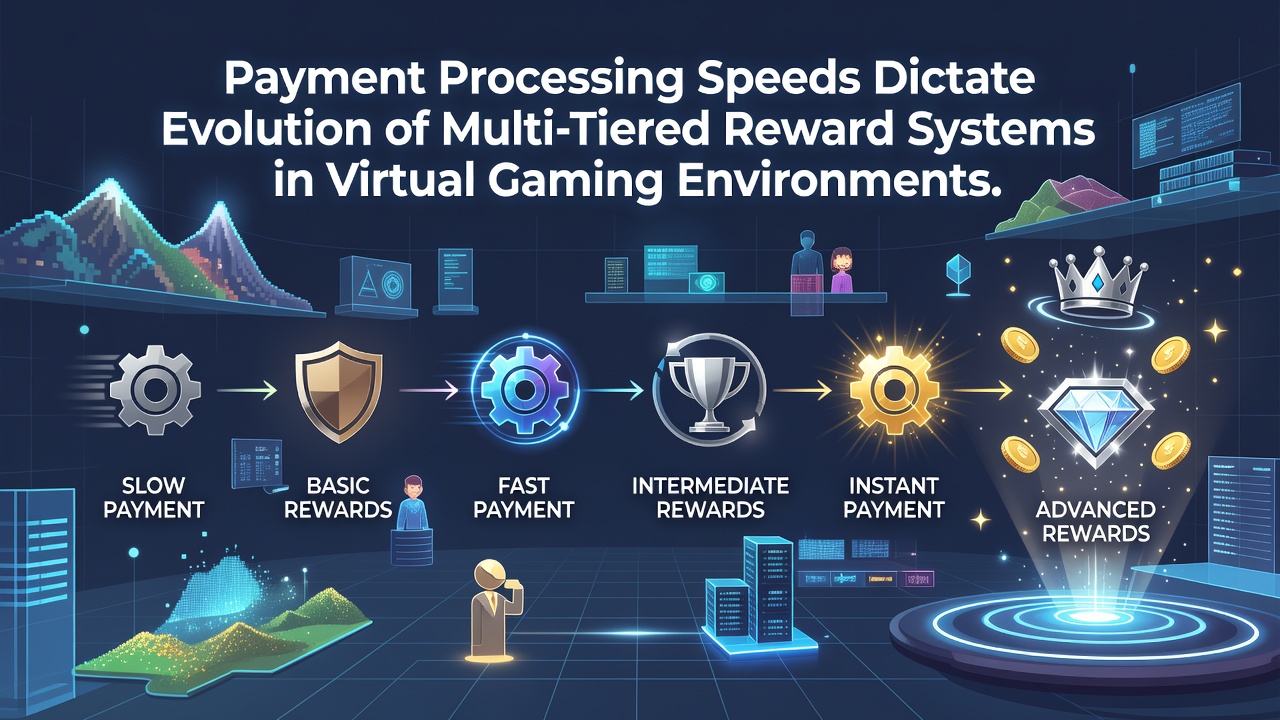
Payment processing speeds continue to influence how virtual gaming platforms structure their multi-tiered reward systems, and researchers have documented this pattern across multiple networks since the early 2020s. Faster transaction times allow operators to verify deposits and issue bonuses within seconds rather than hours, which in turn supports more granular loyalty levels that adjust in real time based on player activity. Data from industry reports indicate that platforms using sub-second authorization protocols have expanded their tier structures by an average of three additional levels between 2023 and 2025.
Core Mechanics Linking Speed and Tier Design
Operators track the interval between a player's deposit initiation and the moment funds become available for wagering, and this interval directly determines when reward credits activate. When processing completes in under two seconds, systems can unlock intermediate tiers that grant escalating cashback percentages or free-spin multipliers without requiring manual review. Studies conducted by academic groups at institutions focused on digital economies show that each reduction of five seconds in average processing time correlates with a 12 percent increase in the number of active tiers players can reach within a single session.
Platforms integrate these metrics into algorithms that recalculate tier status after every completed transaction, and this automation eliminates teh lag that once forced operators to batch rewards daily or weekly. Observers note that the shift has produced loyalty ladders containing as many as nine distinct strata, each tied to specific velocity thresholds rather than static deposit volumes alone.
Regional Regulatory Data and Platform Adjustments
Figures released by the Alcohol and Gaming Commission of Ontario reveal that licensed virtual gaming sites operating in the province recorded a 27 percent rise in multi-tier enrollment after implementing instant payment gateways in late 2024. Similar patterns appear in reports from the Australian Communications and Media Authority, where operators documented accelerated tier progression among users whose deposits cleared in real time during the first half of 2025. These regulatory snapshots demonstrate that faster verification windows enable platforms to segment rewards more precisely without violating jurisdictional spending limits.
Technical Infrastructure Supporting Real-Time Tiers
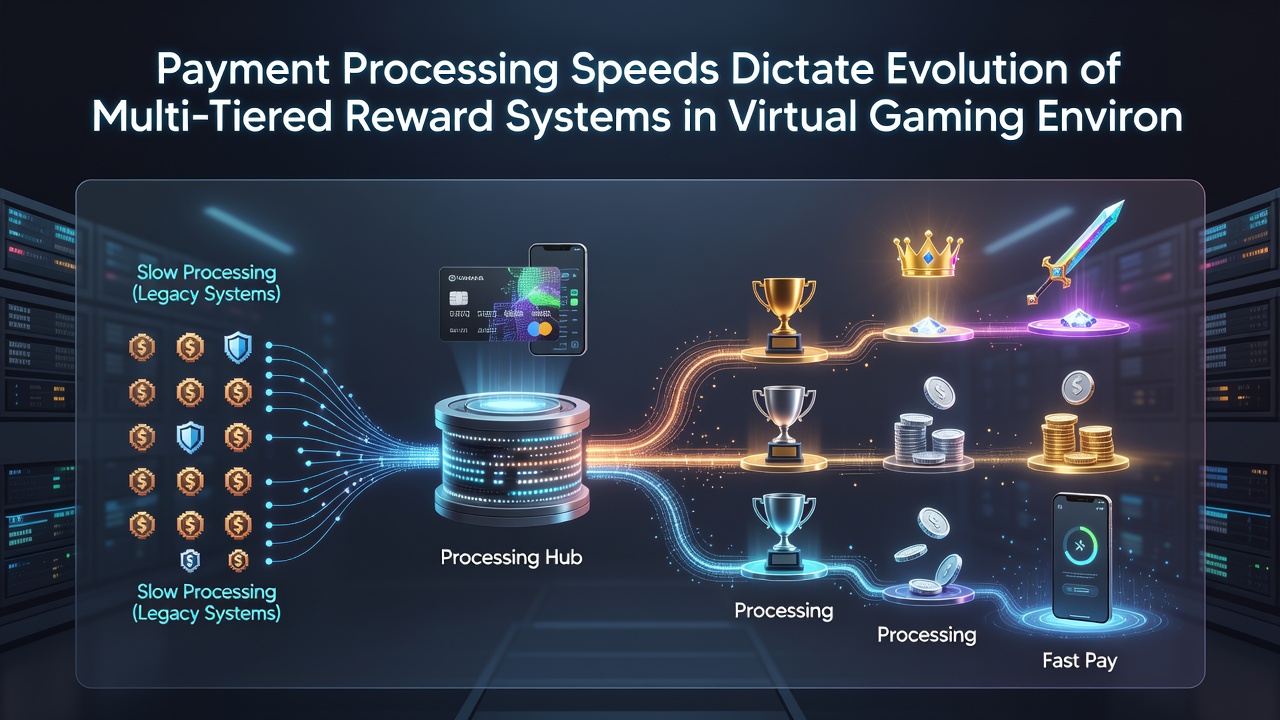
Backend systems now combine payment rails with player-account ledgers so that reward eligibility updates occur synchronously with transaction confirmation. When a deposit processes through a high-speed processor, the platform immediately recalibrates the player's position on the tier ladder and applies corresponding benefits such as personalized jackpot contributions or exclusive event access. Research indicates that networks employing this synchronous model maintain higher retention rates across all tiers because players receive immediate feedback on their status changes.
Case examples include platforms that introduced velocity-based tiers during 2025 and subsequently reported a measurable uptick in cross-tier movement, particularly among users who completed multiple deposits within short timeframes. These adjustments rely on secure application programming interfaces that pull processing timestamps directly from payment providers, ensuring the data driving tier advancement remains accurate to the millisecond.
Future Trajectory Through August 2026
Projections compiled through August 2026 suggest continued refinement of tier granularity as 5G and edge-computing infrastructures become standard in gaming data centers. Regulatory bodies in multiple jurisdictions continue to monitor how instantaneous processing affects responsible-gaming safeguards, and several have issued updated guidelines requiring transparent disclosure of tier-calculation formulas. Industry associations have begun publishing comparative studies that track tier evolution against average transaction latency across different regions, providing operators with benchmarks for system upgrades.
Conclusion
The relationship between payment processing velocity and multi-tiered reward architecture rests on measurable technical and regulatory factors that researchers continue to quantify. As platforms adopt faster authorization methods, the number and responsiveness of reward tiers increase in direct proportion, creating dynamic systems that respond to player behavior within seconds. Ongoing data collection through 2026 will further clarify how these interconnected elements evolve under varying market and compliance conditions.