Adaptive Algorithms in Mobile Casinos Connect Slot Payout Rates to Live Dealer Privileges
Ellis Hayes · Aug 21, 2026
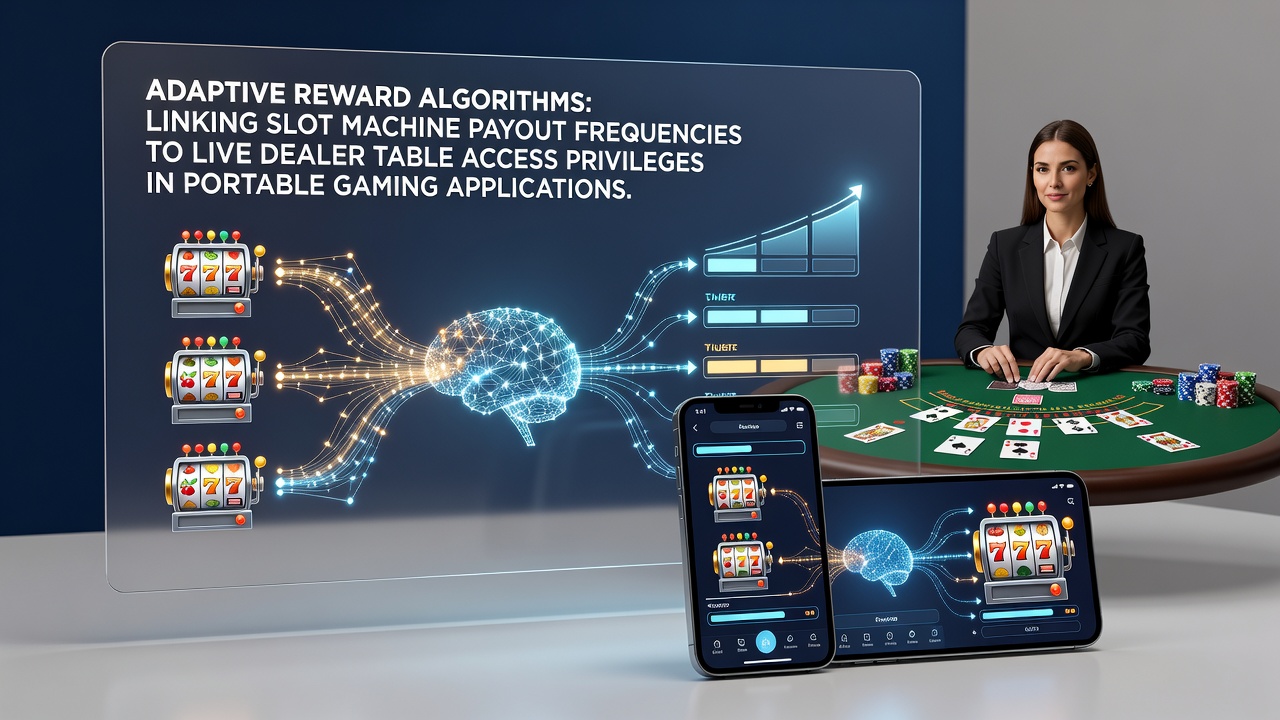
Adaptive Algorithms in Mobile Casinos Connect Slot Payout Rates to Live Dealer Privileges
Portable gaming applications now deploy adaptive reward algorithms that adjust slot machine payout frequencies in real time and tie those adjustments to live dealer table access privileges, creating integrated player progression paths across devices. Developers build these systems on data streams that track wager volume, session duration, and win rates, then apply machine learning models to recalibrate reward thresholds without manual intervention. Operators report that such linkages emerged more widely after platform updates rolled out in early 2025, with several major networks expanding the feature set by August 2026.
These algorithms operate through layered decision trees that evaluate payout history from slot sessions and determine eligibility for reserved live dealer seats or reduced minimum bets at tables. When a player’s recent slot activity meets frequency parameters set by the system, access privileges activate automatically inside the same application, eliminating separate login steps. Data from industry reports shows average session lengths increase when this seamless transition occurs, because players move directly from reels to card or roulette interfaces without losing momentum.
Core Mechanics Behind the Linkage
Slot payout frequencies feed into the algorithm as one variable among several, including deposit velocity and game selection patterns, while live dealer access functions as the output reward. The model assigns weighted scores to each metric, then compares the total against dynamic benchmarks that shift based on overall network traffic. During peak hours the thresholds tighten, whereas off-peak periods allow broader qualification, a pattern confirmed in technical documentation released by multiple software providers. Observers note that this conditional access model mirrors loyalty structures already common in land-based properties yet adapts them to the constraints of mobile bandwidth and screen real estate.
Implementation typically involves secure API calls between the slot engine and the live dealer lobby, ensuring that privilege tokens expire after a set window or upon reaching table time limits. Security protocols require device fingerprinting and session encryption so that transferred privileges cannot be shared across accounts. Testing logs from development teams indicate that latency remains under two seconds for most users when the algorithm grants table access, preserving the fluid experience expected in portable environments.
Regional Regulatory Context and Data Sharing
Regulatory bodies in multiple jurisdictions review these systems during licensing renewals, focusing on fairness of the payout adjustments and transparency of the privilege criteria. The Nevada Gaming Control Board, for instance, requires operators to submit algorithm audit trails that demonstrate consistent application of rules across all player segments. Similar oversight appears in Australian state frameworks, where independent testing laboratories verify that random number generators remain unaffected by the reward layer sitting above them. Figures from these reviews reveal that dispute rates tied to access privileges have stayed low, largely because the criteria display inside the application before any wager occurs.

Academic studies from research institutions such as teh University of Nevada, Reno’s gaming innovation lab have examined player retention metrics before and after algorithm deployment, finding measurable upticks in cross-game movement. Those findings align with aggregate data shared at trade conferences, where network operators describe reduced churn among users who receive automated table invites. The studies emphasize that payout frequency changes remain within certified ranges, so the algorithm influences only access timing rather than altering base game mathematics.
Player Journey Examples Across Platforms
One documented case involved a mid-tier network that introduced the feature in spring 2026; within four months the proportion of players moving from slots to live tables rose by double digits according to internal dashboards. Players who triggered the privilege saw their slot win frequency temporarily elevated by fractions of a percent, a micro-adjustment calibrated to maintain overall return-to-player percentages while encouraging continued play. The same cohort then received priority queue placement at live blackjack tables, reducing wait times from several minutes to under thirty seconds during moderate traffic periods.
Another network operating across European markets integrated the algorithm with geolocation filters, ensuring that live dealer access privileges activated only when users remained within approved jurisdictions. This approach satisfied varying legal requirements without fragmenting the user experience inside the application itself. Reports from compliance teams highlight that audit logs captured every privilege grant and revocation, allowing regulators to trace any anomalies back to specific algorithm inputs.
Technical Infrastructure and Future Adjustments
Backend infrastructure relies on cloud-based microservices that ingest real-time telemetry from thousands of concurrent sessions, apply the reward model, and push updated privilege states to client devices. Scalability tests conducted ahead of the August 2026 expansion cycles confirmed that the system handles simultaneous privilege calculations for peak loads exceeding 100,000 active users. Developers continue to refine edge cases, such as handling interrupted connections mid-transition, by implementing persistent session tokens that resume the reward state once connectivity restores.
Industry organizations including the European Gaming and Betting Association have begun drafting voluntary guidelines that address algorithmic transparency for players, recommending clear in-app explanations of how slot activity influences table access. Early adopters among operators already display simplified status bars showing progress toward the next privilege tier, reducing support queries related to unexpected access denials.
Conclusion
Adaptive reward algorithms that connect slot payout frequencies to live dealer table privileges represent an evolving layer within portable gaming applications, supported by regulatory oversight, academic review, and technical standardization. As networks continue to refine these linkages through 2026 and beyond, the systems maintain certified game fairness while streamlining player movement between game types. Continued documentation from testing labs and compliance reports will shape how these features expand across additional markets and device types.