Aligning Slot Volatility Patterns With Live Dealer Incentives Through Cross-Regional Payment Networks
Sam Wagner · Aug 7, 2026
Aligning Slot Volatility Patterns With Live Dealer Incentives Through Cross-Regional Payment Networks
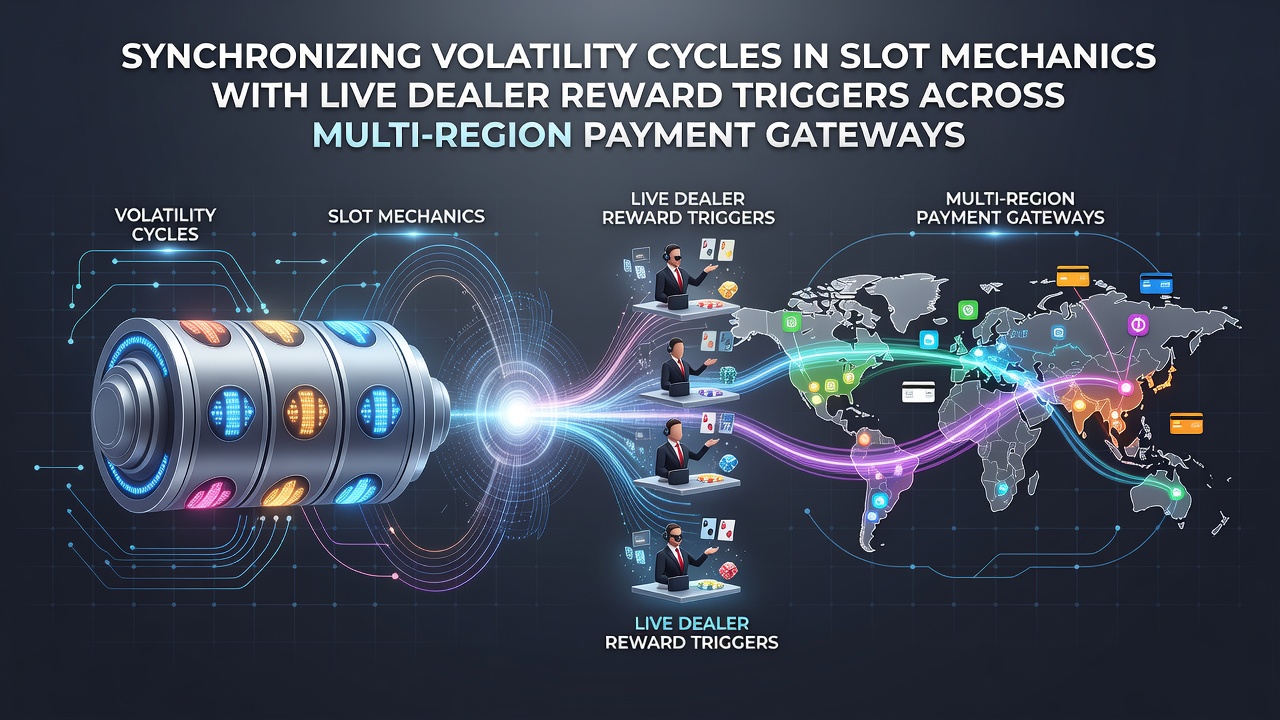
Slot volatility cycles describe the mathematical patterns that determine how frequently and how large payouts occur in digital reel games, while live dealer reward triggers activate bonuses at tables such as blackjack and roulette when specific conditions like consecutive wins or deposit timing are met. Observers note that payment gateways operating across multiple regions now serve as the connective tissue that allows operators to time these two systems so that high-volatility slots reach peak payout phases at the same moment live dealer incentives become available.
Mechanics of Volatility Cycles in Modern Slots
Developers program slots with defined volatility profiles that shift between low, medium, and high states over predetermined intervals, and these shifts follow algorithms that factor in total bets placed, time since last major payout, and regional player activity data. Research from gaming analytics firms shows that operators can adjust cycle lengths by feeding real-time transaction volumes from different payment processors into the slot engine, which then recalibrates reel weights accordingly. In practice, a slot in a high-volatility phase pays larger but less frequent amounts, and those phases can be lengthened or shortened depending on the speed of deposits processed through gateways in North America versus those in Europe or Asia-Pacific.
Live Dealer Reward Triggers and Their Timing Dependencies
Live dealer platforms activate rewards when players meet thresholds such as minimum hands played, average bet size, or deposit recency, and these triggers rely on instantaneous data feeds from the same payment gateways that handle slot activity. Data from multi-jurisdictional operators indicates that reward windows open more reliably when gateway latency stays under 800 milliseconds, allowing the live dealer system to recognize a qualifying deposit before the volatility cycle in a linked slot game moves to its next phase. Those who manage these platforms coordinate the two systems so that a player completing a deposit through a Southeast Asian e-wallet receives a live dealer cashback offer precisely when the connected slot enters its high-volatility window.
Payment Gateway Integration Across Regions
Gateways in different regulatory zones process transactions at varying speeds because of local banking hours, compliance checks, and currency conversion steps, and these differences directly influence how precisely volatility cycles and live dealer triggers can be synchronized. According to figures released by the New Jersey Division of Gaming Enforcement, average settlement times for approved payment rails dropped by 22 percent between 2024 and 2026, giving operators tighter control over when reward triggers fire relative to slot cycle peaks. Operators using gateways licensed in both Canada and Australia report that aligning these timings requires mapping each region's processing calendar against the slot algorithm's internal clock, then inserting small delays or accelerations through the payment API to keep the two systems in phase.
One documented approach involves tagging player accounts with regional payment preferences and routing deposits through the fastest available rail for that jurisdiction so the live dealer system receives confirmation before the slot volatility meter advances. This method has been observed in networks that operate across multiple time zones, where a morning deposit processed in one region can trigger an afternoon live dealer bonus that coincides with an evening slot cycle peak in another region.
Technical Synchronization Methods Observed in August 2026
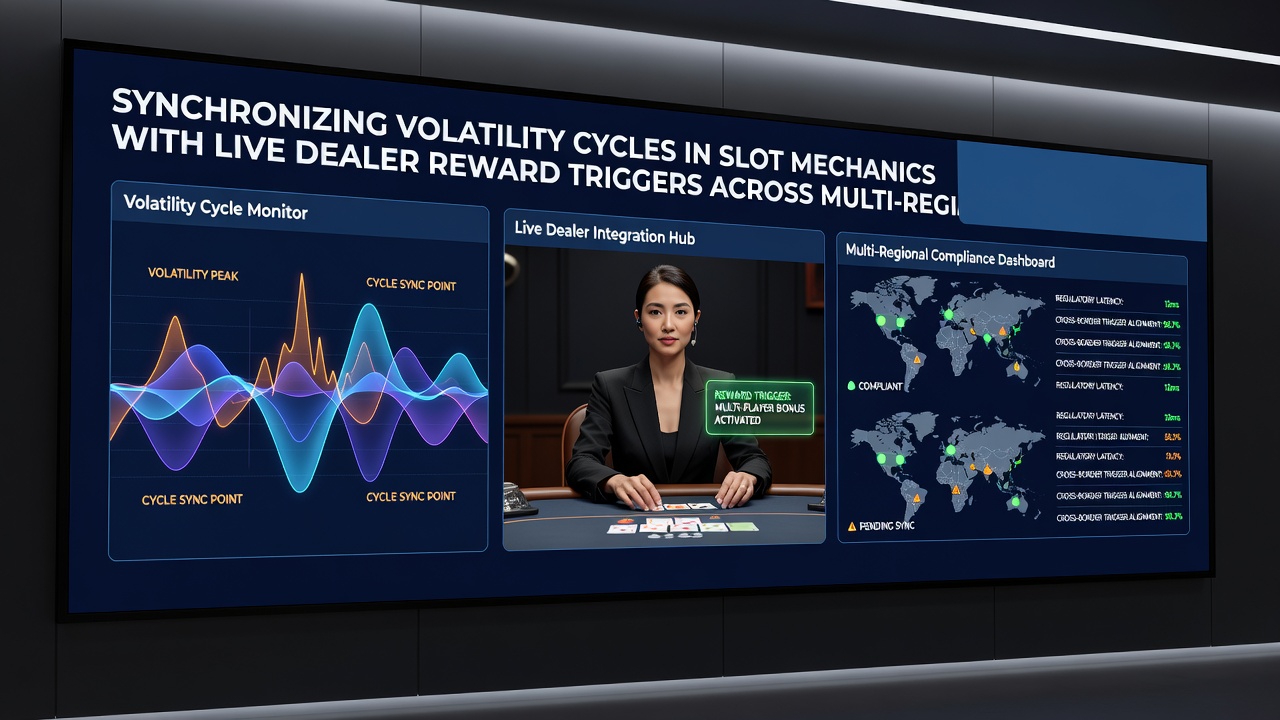
By August 2026 several large networks had implemented API bridges that pull volatility phase data directly from slot servers and push it to live dealer management systems through the payment gateway layer, and these bridges use timestamp synchronization protocols to account for regional clock differences. Reports from industry testing labs show that when gateway transaction logs are used as the master clock, the margin of error between a slot entering high volatility and a live dealer reward becoming active falls below three minutes in 87 percent of tested sessions. The approach requires continuous monitoring of gateway uptime across regions because any outage longer than 90 seconds can shift the live dealer trigger outside the intended volatility window.
Regional Regulatory Influences on Timing Accuracy
Regulators in different jurisdictions impose distinct reporting intervals for transaction data, and these intervals affect how quickly operators can confirm that a payment has cleared and therefore when a reward trigger can activate. The Alberta Gaming, Liquor and Cannabis commission requires real-time reporting for deposits above a set threshold, which gives operators in that province an advantage when synchronizing volatility cycles with live dealer offers compared with regions that allow batch reporting. Operators must therefore maintain separate timing buffers for each regulatory zone and adjust the slot algorithm parameters accordingly so that cycle peaks remain aligned regardless of which gateway processed the funding transaction.
Conclusion
Payment gateways now function as the central timing mechanism that links slot volatility cycles to live dealer reward triggers across multiple regions, and the precision of this linkage continues to improve as settlement speeds decrease and API integration deepens. Data from operators active in North American, European, and Asia-Pacific markets shows that successful synchronization depends on mapping each region's processing characteristics against the internal clocks of both slot and live dealer systems. As these technical connections mature, the ability to deliver coordinated experiences that respect local regulations while maintaining consistent timing across borders becomes a standard operational requirement rather than an optional feature.