Biometric Timelines Reshape Jackpot Access Windows Across Cross-Platform Gaming Networks
Ellis Hayes · Jun 5, 2026
Biometric Timelines Reshape Jackpot Access Windows Across Cross-Platform Gaming Networks
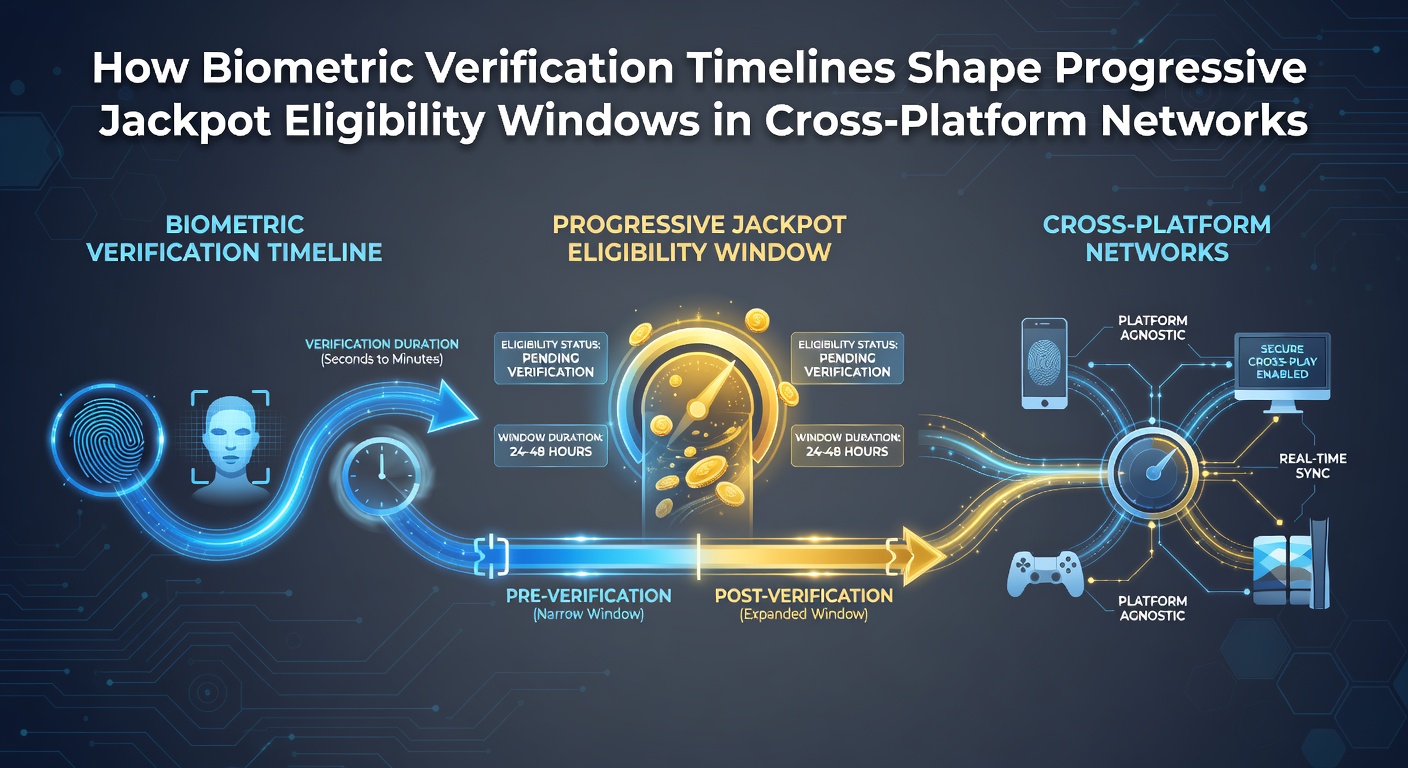
Biometric verification systems have become central to how operators manage progressive jackpot eligibility across mobile, desktop, and tablet networks, with the duration of authentication processes directly influencing the time windows players have to qualify for accumulating prizes. Data from industry reports indicate that verification timelines ranging from 3 to 45 seconds determine whether a player remains within active eligibility periods, particularly when jackpot pools update in real time across synchronized platforms.
Core Mechanics of Verification and Eligibility Synchronization
Operators integrate fingerprint, facial, and voice recognition into account systems so that each login or session continuation triggers a check before jackpot contributions register. Studies from the Canadian Gaming Association show that delays beyond 15 seconds often push players outside the rolling eligibility windows that reset every 60 to 120 seconds in many networks. These windows function as time-bound slots during which verified activity counts toward jackpot progression, and any lag in biometric confirmation can exclude recent wagers from the pool.
Cross-platform networks rely on centralized servers to broadcast jackpot values instantly, yet the local verification step on each device creates a bottleneck. Research indicates that when a player switches from desktop to mobile mid-session, the secondary biometric scan must complete before the new platform accepts contributions, or the eligibility clock effectively pauses or resets depending on operator rules.
Regional Regulatory Influences on Timeline Standards
Authorities in different jurisdictions set varying requirements for how quickly biometric data must process. The Alcohol and Gaming Commission of Ontario established guidelines in 2025 that cap acceptable verification delays at 20 seconds for systems handling progressive jackpots, while Australian state regulators require operators to log any authentication exceeding 10 seconds and report patterns monthly. These rules directly affect how networks design their eligibility windows, forcing adjustments to synchronization protocols so that players in regulated markets retain access during verification periods.
European operators under the Malta Gaming Authority have tested adaptive windows that extend by the exact duration of a biometric check, provided the process finishes within a predefined maximum. Figures from a 2025 industry audit reveal that this approach increased verified jackpot contributions by 12 percent in multi-device environments without altering the underlying prize pool mechanics.
Technical Factors Affecting Timeline Length
Network latency, device processing power, and biometric algorithm complexity all contribute to verification duration. Observers note that facial recognition on older smartphones frequently takes 8 to 12 seconds longer than fingerprint scans on newer hardware, creating uneven eligibility outcomes for players using different equipment. Software updates released in early 2026 introduced edge computing options that reduce average timelines by 30 percent on supported devices, according to testing data shared by platform providers.
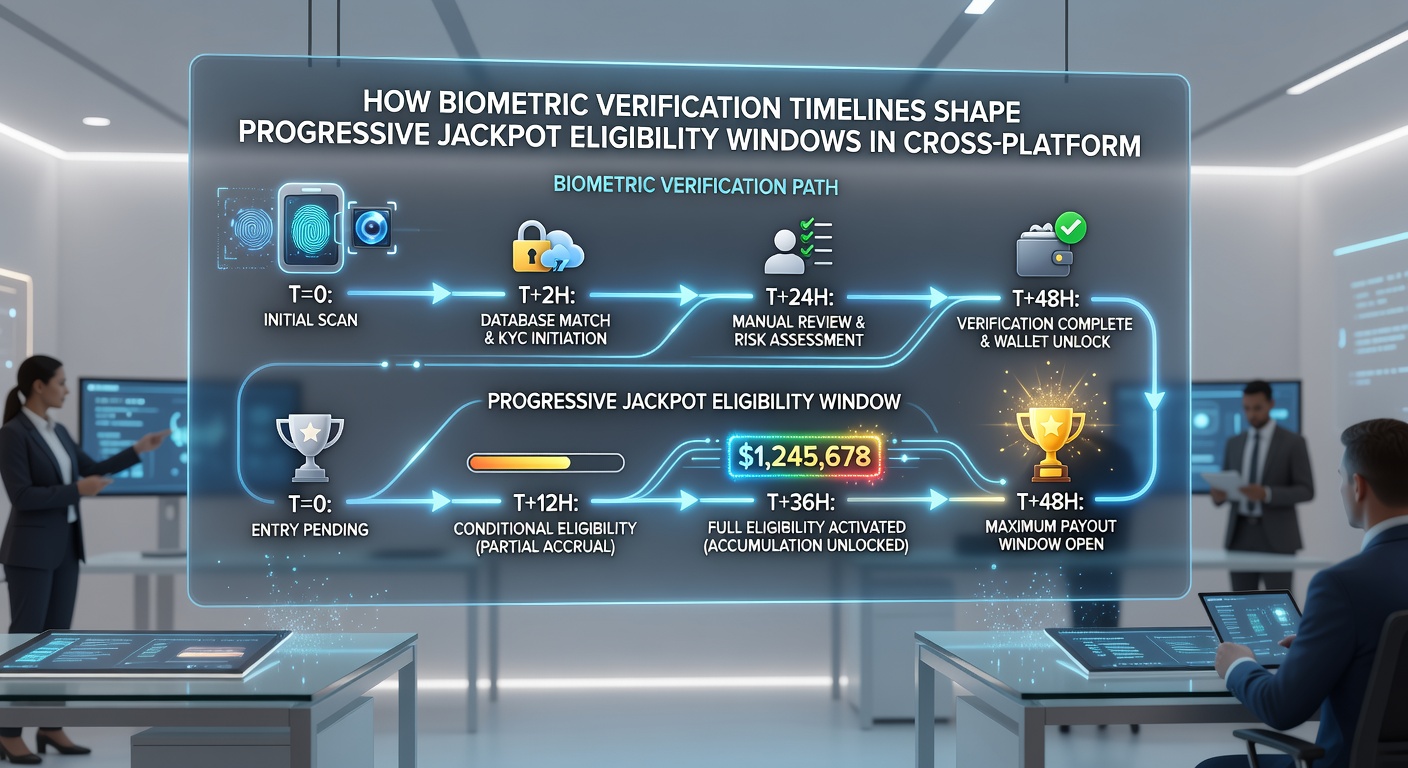
June 2026 marks the scheduled rollout of updated interoperability standards among major network operators, which aim to standardize how biometric timestamps transmit between platforms. These standards require that verification completion times attach to each wager record so eligibility calculations account for any processing delay rather than assuming instantaneous confirmation.
Player Behavior Patterns and Window Adjustments
Players who experience repeated verification delays tend to consolidate activity on a single device to avoid eligibility gaps, according to session data analyzed by multiple network operators. This behavior concentrates contributions on platforms with faster biometric hardware, which in turn influences how operators allocate jackpot seeding across devices. Networks that introduced device-specific window extensions saw more balanced participation across mobile and desktop users.
Case examples from operators in the United States show that integrating cached biometric tokens for returning sessions shortened average timelines to under 5 seconds, preserving eligibility continuity during platform switches. Those implementations required secure token storage that meets data protection requirements while still allowing real-time jackpot synchronization.
Conclusion
Biometric verification timelines continue to determine the precise boundaries of progressive jackpot eligibility windows in cross-platform networks, with regulatory standards, device capabilities, and synchronization protocols all shaping outcomes. As networks prepare for the June 2026 interoperability updates, operators adjust window durations and verification processes to maintain consistent player access across devices while complying with regional requirements.