Crypto Integrations Transform Loyalty Frameworks in Virtual Gaming Spaces
Riley Richter · May 24, 2026
Crypto Integrations Transform Loyalty Frameworks in Virtual Gaming Spaces
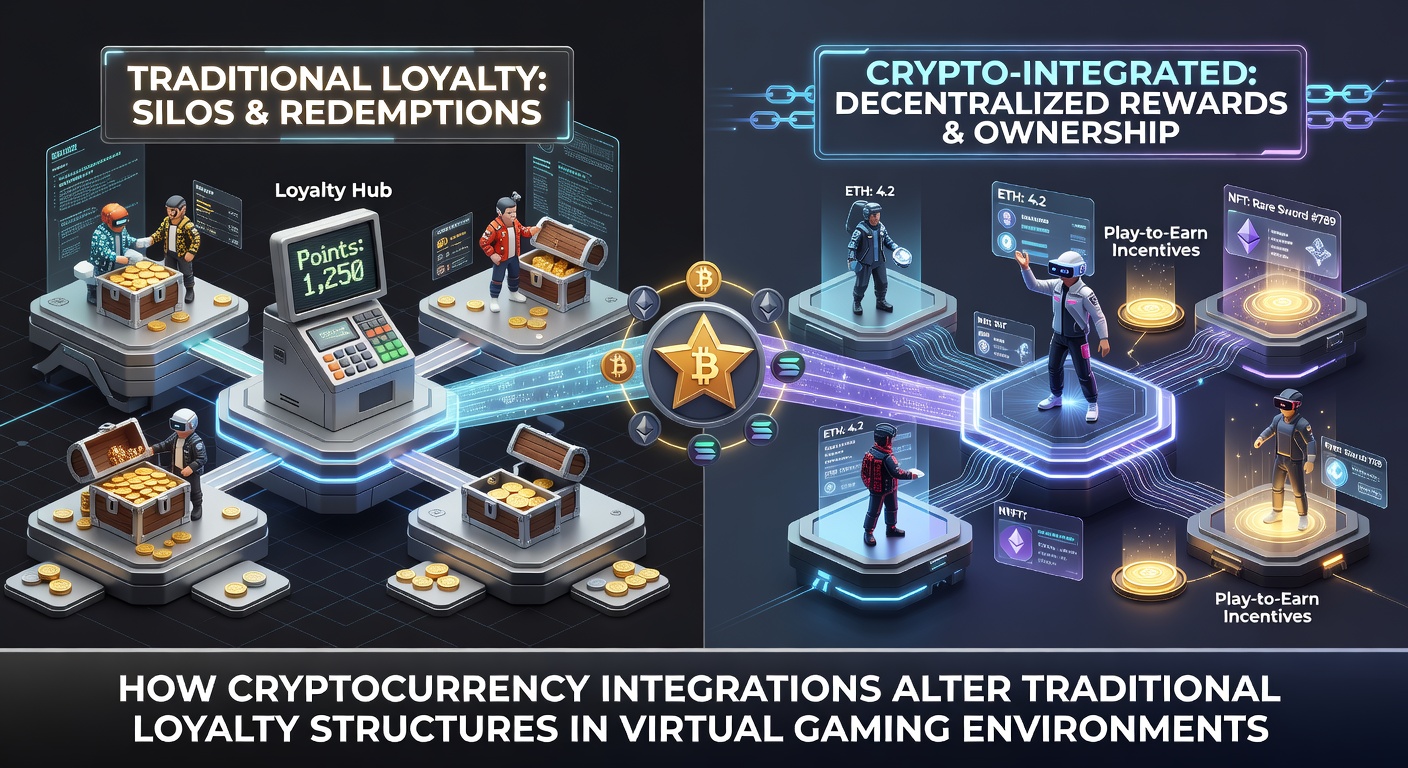
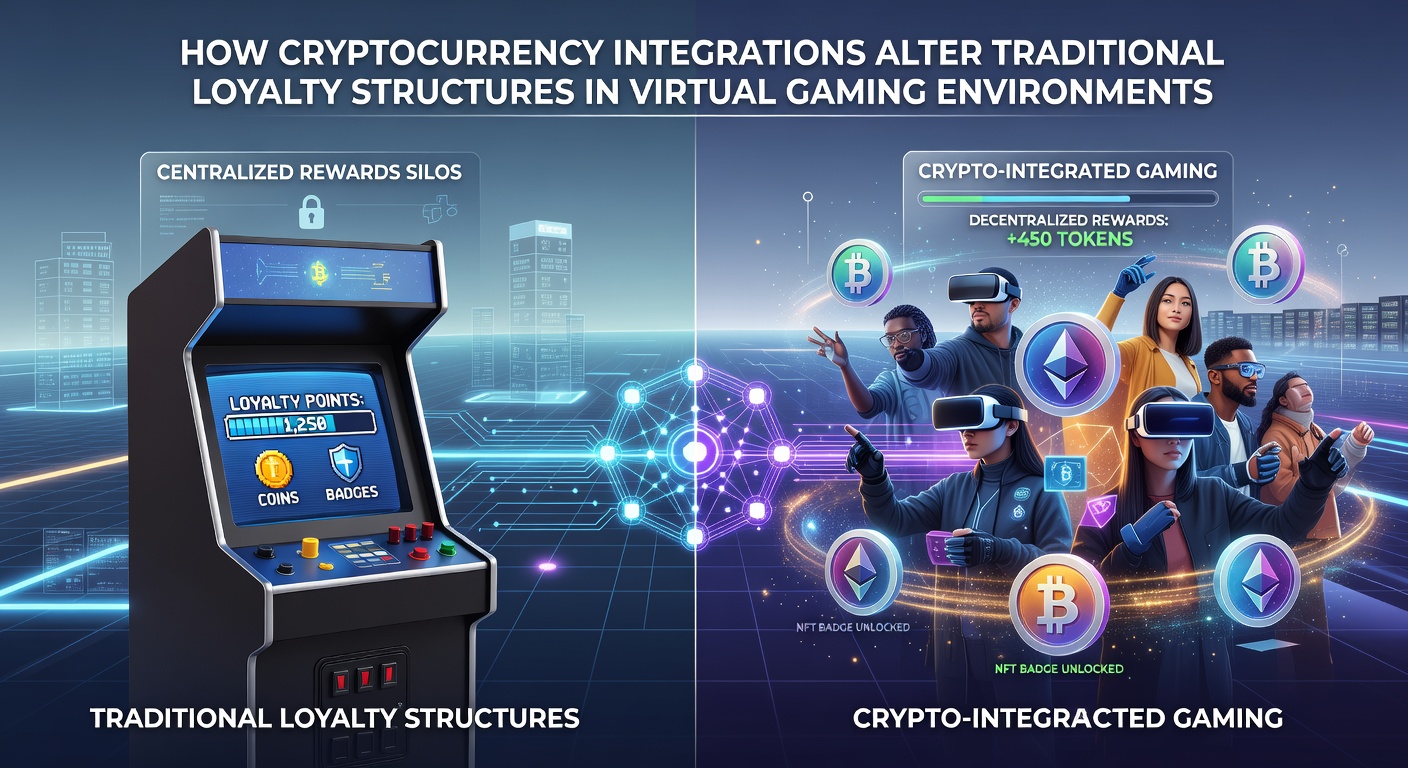
Virtual gaming environments have long relied on centralized loyalty structures where players accumulate points through playtime and spending, then redeem them for bonuses or status upgrades within a single platform's ecosystem. Cryptocurrency integrations introduce blockchain-based tokens and smart contracts that shift these systems toward decentralized models, allowing assets to move across multiple games and platforms. Data from industry reports indicates that adoption rates for crypto rewards climbed steadily through 2025, with projections pointing to broader implementation by May 2026 as more studios release compatible titles.
Traditional Loyalty Models Before Crypto Adoption
Operators built loyalty programs around tiered membership levels, where accumulated points determined access to exclusive events, in-game items, or cashback percentages. These systems operated through proprietary databases that tracked activity but limited transferability, creating player lock-in while exposing data to single-point failures. Researchers at various academic institutions documented how such centralized ledgers often resulted in delayed redemptions and opaque calculations, prompting calls for greater transparency.
Entry of Cryptocurrency and Token Mechanics
Developers began embedding cryptocurrency wallets directly into game clients, enabling players to earn native tokens instead of or alongside traditional points. These tokens operate on public blockchains, where every transaction records immutably and becomes verifiable without intermediary approval. What's interesting is how smart contracts automate reward distribution, triggering payouts once predefined play milestones occur, which reduces administrative overhead for operators and speeds delivery to users.
Observers note that interoperability features allow tokens earned in one title to convert or transfer into another, breaking the isolation that defined earlier loyalty setups. Studies from European research groups show this cross-platform movement increased average player retention metrics in early adopter environments during 2025 testing phases.
Impacts on Reward Calculation and Distribution
Traditional points systems used fixed multipliers based on bet size or session length, yet crypto versions incorporate dynamic pricing tied to token market values and player staking activities. Participants can lock tokens into liquidity pools to earn additional yields, effectively turning loyalty holdings into active financial instruments rather than static balances. Figures from Canadian gaming associations reveal that environments offering staking options saw participation rates rise compared to static reward models.
But here's the thing: volatility introduces new variables, since token values fluctuate independently of in-game performance, prompting some platforms to implement stabilization mechanisms like algorithmic reserves or dual-currency hybrids. Data shows these adjustments helped maintain consistent perceived value for rewards across market swings.
Transparency, Security, and Player Control
Blockchain ledgers provide public audit trails for loyalty transactions, allowing anyone to verify distribution fairness without requesting operator reports. This contrasts with closed systems where discrepancies sometimes surfaced only after player complaints. Industry organizations across Asia-Pacific regions documented fewer disputes in crypto-integrated environments because transaction histories remain accessible and tamper-resistant.
Players gain custody of their rewards through personal wallets, eliminating risks associated with platform shutdowns or account bans that previously wiped centralized point balances. Australian regulatory filings from early 2026 highlight how this self-custody model aligns with emerging digital asset guidelines, encouraging further integration in licensed virtual spaces.
Examples from Current Implementations
Several major virtual gaming titles launched hybrid programs in late 2025, where core progression still used conventional points while optional crypto layers offered premium rewards. One case involved a multiplayer battle arena that distributed governance tokens to top contributors, letting holders vote on future content updates. Another environment linked slot-style mechanics to live table features through shared token pools, enabling bonus hunts that spanned both formats.
Those who've examined transaction volumes report that crypto-enabled loyalty paths processed redemptions in minutes rather than days, with settlement occurring directly on-chain. This speed supports real-time engagement loops that traditional batch processing could not match.
Regulatory Context and Market Trends Through 2026
By May 2026, several jurisdictions plan updated frameworks addressing how tokenized rewards intersect with existing gaming statutes. Government agencies in North America and select EU member states continue to evaluate tax implications for token earnings, while industry bodies push for standardized reporting protocols. Research indicates that clear rules accelerate operator adoption, as uncertainty previously slowed development cycles.
What's significant is how these integrations also affect high-roller incentives, replacing invitation-only events with token-gated access that anyone can enter through accumulation rather than status alone. Evidence suggests broader participation follows when barriers shift from invitation systems to open market mechanics.
Conclusion
Cryptocurrency integrations continue reshaping loyalty structures by replacing isolated point systems with transferable, verifiable tokens that operate across gaming networks. Observers tracking developments through May 2026 note ongoing refinements in volatility management and regulatory alignment, alongside measurable gains in transaction speed and player agency. These shifts rest on measurable blockchain capabilities rather than untested assumptions, with data from multiple regions supporting continued evolution in virtual environments.