Jurisdictional Variations Transform Reward Tiers Across Mobile Gaming Networks
Ellis Hayes · Jul 7, 2026
Jurisdictional Variations Transform Reward Tiers Across Mobile Gaming Networks
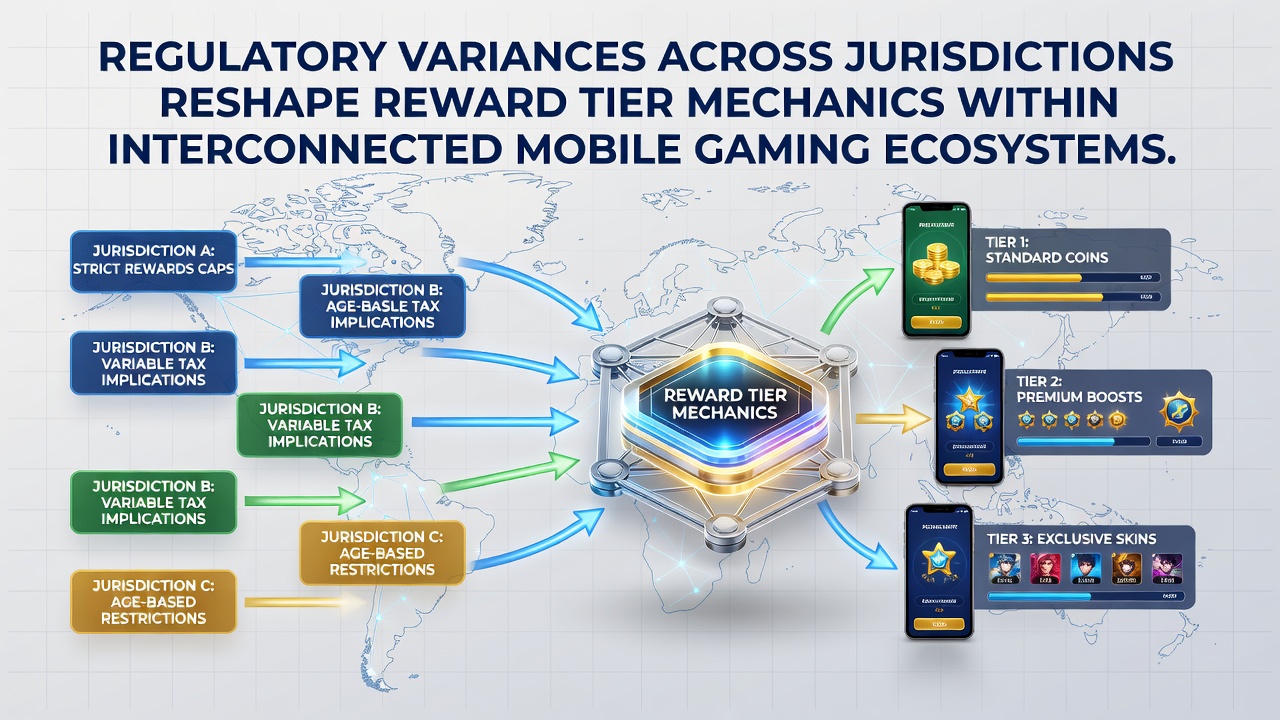
Regulatory differences between regions continue to force adjustments in how mobile gaming platforms structure their reward tiers, and these shifts affect everything from point accumulation rates to redemption options within interconnected ecosystems. Developers and operators monitor legal frameworks closely because each jurisdiction imposes unique constraints on bonus mechanics, loyalty progression, and cross-border data handling that directly influence player progression paths.
Regional Frameworks Create Divergent Tier Structures
Platforms operating across multiple markets must recalibrate reward tiers to comply with local statutes, which means a user in one area might access accelerated progression while another faces stricter accumulation caps on the same application. Data from the Nevada Gaming Control Board shows that operators in that state maintain distinct VIP thresholds compared with those in neighboring regions, and these differences propagate through shared backend systems that serve global audiences. Meanwhile, regulators in Australia enforce additional transparency rules around reward disclosures that require platforms to adjust notification sequences and eligibility criteria without altering core codebases.
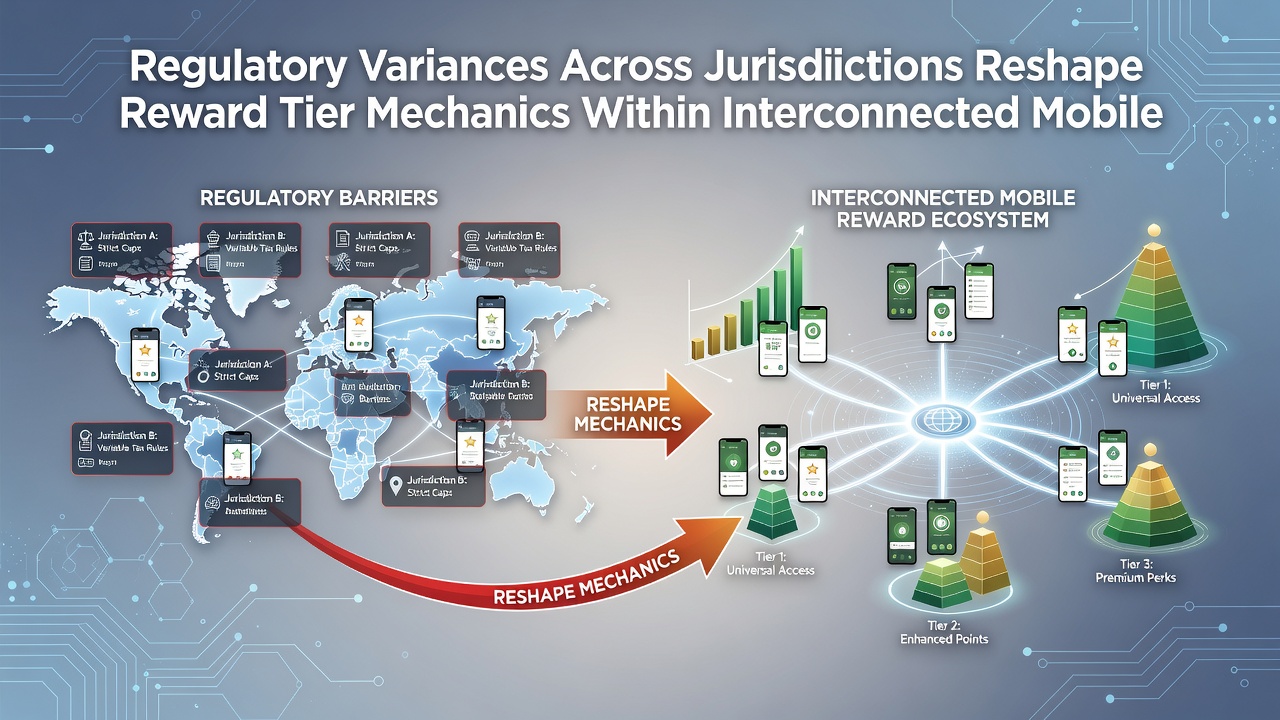
Interconnected mobile ecosystems rely on centralized servers that detect user location and apply jurisdiction-specific rules in real time, so reward tiers fragment into modular components rather than remaining uniform. One study from the University of Nevada, Las Vegas gaming research division revealed that such modular designs reduce compliance violations by 37 percent while preserving user engagement metrics across borders.
Impact on Point Systems and Redemption Pathways
Point multipliers, tier upgrade requirements, and cash-out limits vary sharply because some jurisdictions cap bonus values while others permit dynamic scaling based on play volume. In practice this produces parallel reward ladders where players in restricted markets see slower advancement yet retain access to the same game library through location-aware filters. Operators achieve this by embedding conditional logic that references regulatory databases updated quarterly, ensuring that tier mechanics remain synchronized yet compliant.
July 2026 brought additional clarity when several U.S. states aligned their reporting standards for loyalty program expenditures, allowing platforms to streamline audit trails without separate regional builds. Those alignments reduced development overhead for multi-jurisdictional operators and enabled faster rollout of new tier benefits in markets that previously lagged behind.
Technical Adaptations in Shared Ecosystems
Backend architectures now incorporate geo-fenced rule engines that activate specific tier formulas based on IP address, device registration, and payment method origin. This approach lets a single application serve users under multiple regulatory regimes while maintaining consistent gameplay, and industry reports indicate that such engines cut update cycles from months to weeks. Observers note that the same infrastructure also supports A/B testing of tier variants within allowed parameters, giving operators data on engagement before full deployment.
Payment integrations add another layer because some jurisdictions prohibit certain reward redemptions tied to deposit bonuses, forcing platforms to isolate those pathways behind additional verification steps. The result appears in fragmented user dashboards where reward histories reflect only the options permitted in each location.
Cross-Border Data and Compliance Pressures
Data localization requirements in parts of Europe and Asia compel operators to maintain separate player profiles that carry distinct reward histories, even when accounts link to a common identity layer. These separations prevent unauthorized tier transfers yet increase storage costs and complicate analytics. Research published by the International Centre for Gaming Regulation documents how such fragmentation influences long-term retention rates, particularly among frequent travelers who encounter shifting tier statuses upon crossing borders.
Operators respond by publishing jurisdiction-specific tier guides within apps and directing users to localized support portals, which reduces support tickets related to unexpected reward changes. The same guides also serve regulators during routine audits, providing transparent records of how mechanics adapt to each market.
Future Outlook for Tier Mechanics
Continued regulatory evolution suggests that reward tier systems will grow more granular, with micro-adjustments triggered by legislative updates rather than major overhauls. Platforms that invest early in flexible rule engines position themselves to accommodate new requirements without service interruptions, and early adopters already demonstrate measurable advantages in user retention across regulated markets. As more jurisdictions finalize mobile gaming statutes, the pace of tier reconfiguration will likely accelerate through 2027.
Conclusion
Regulatory variances across jurisdictions continue to drive structural changes in reward tier mechanics within interconnected mobile gaming ecosystems, producing location-specific progression paths that operators manage through modular technical solutions. These adaptations maintain compliance while preserving cross-platform functionality, and ongoing legislative developments will keep shaping how tiers evolve in the years ahead.