Payment Pathways Transforming Progressive Jackpot Distributions in Multi-Platform Networks
Riley Richter · Jun 2, 2026
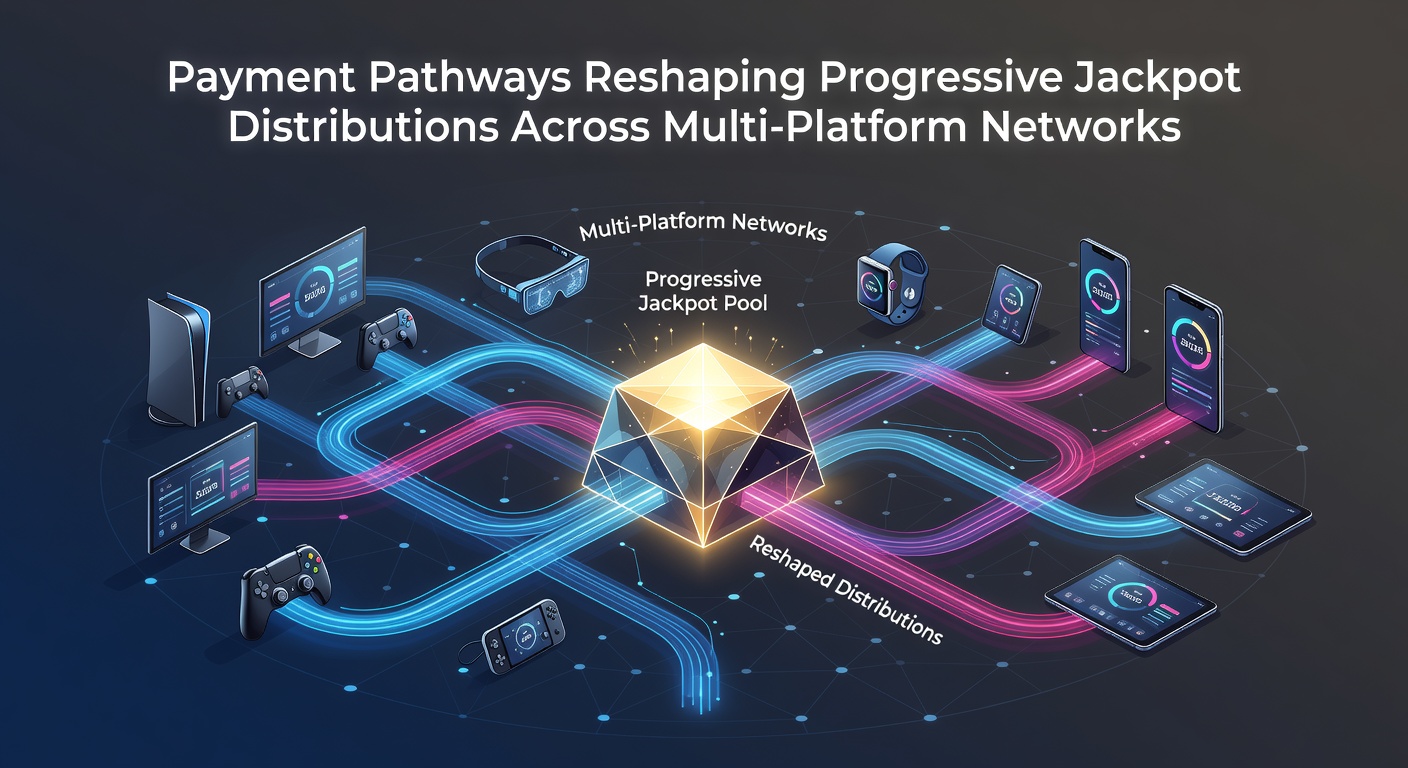
Payment Pathways Transforming Progressive Jackpot Distributions in Multi-Platform Networks
Payment pathways now connect disparate gaming platforms in ways that directly alter how progressive jackpots accumulate and distribute across networks, and operators have adjusted pooling algorithms accordingly since the integration of real-time settlement systems became widespread. These pathways encompass bank transfers, digital wallets, and cryptocurrency rails that feed into shared jackpot ledgers, allowing contributions from players on mobile, desktop, and in-venue terminals to merge without traditional delays that once separated regional pools.
Instant Settlement Systems and Jackpot Pool Synchronization
Instant settlement rails reduce the lag between a wager and its contribution to a progressive meter, which means jackpot values update across linked platforms within seconds rather than hours, and this synchronization has expanded the number of eligible networks that can participate in a single prize pool. Data from industry reports shows that platforms using faster payment gateways report higher average pool growth rates because more wagers clear before the next spin cycle begins. Observers note that operators in North America and Europe have adopted these rails to maintain parity with competitors who already pool across borders.
Multi-platform networks rely on application programming interfaces that map each payment confirmation to a central jackpot controller, and when a transaction processes through an instant rail the contribution posts immediately while slower methods create temporary discrepancies that algorithms later reconcile. Those who've studied the architecture know that reconciliation steps prevent double-counting yet preserve the momentum of rapid contributions, which keeps player engagement steady across devices.
Cryptocurrency Rails and Cross-Border Pooling
Cryptocurrency integrations allow jackpots to draw from international player bases without currency conversion friction that previously slowed pool expansion, and blockchain-based ledgers record each contribution transparently so operators can verify totals in real time. Research indicates that networks incorporating stablecoin pathways experienced measurable increases in pool velocity during 2025, particularly when players moved funds between platforms without leaving the ecosystem. This approach supports multi-platform play because the same wallet address can contribute to jackpots hosted on separate operators who share a common distribution protocol.
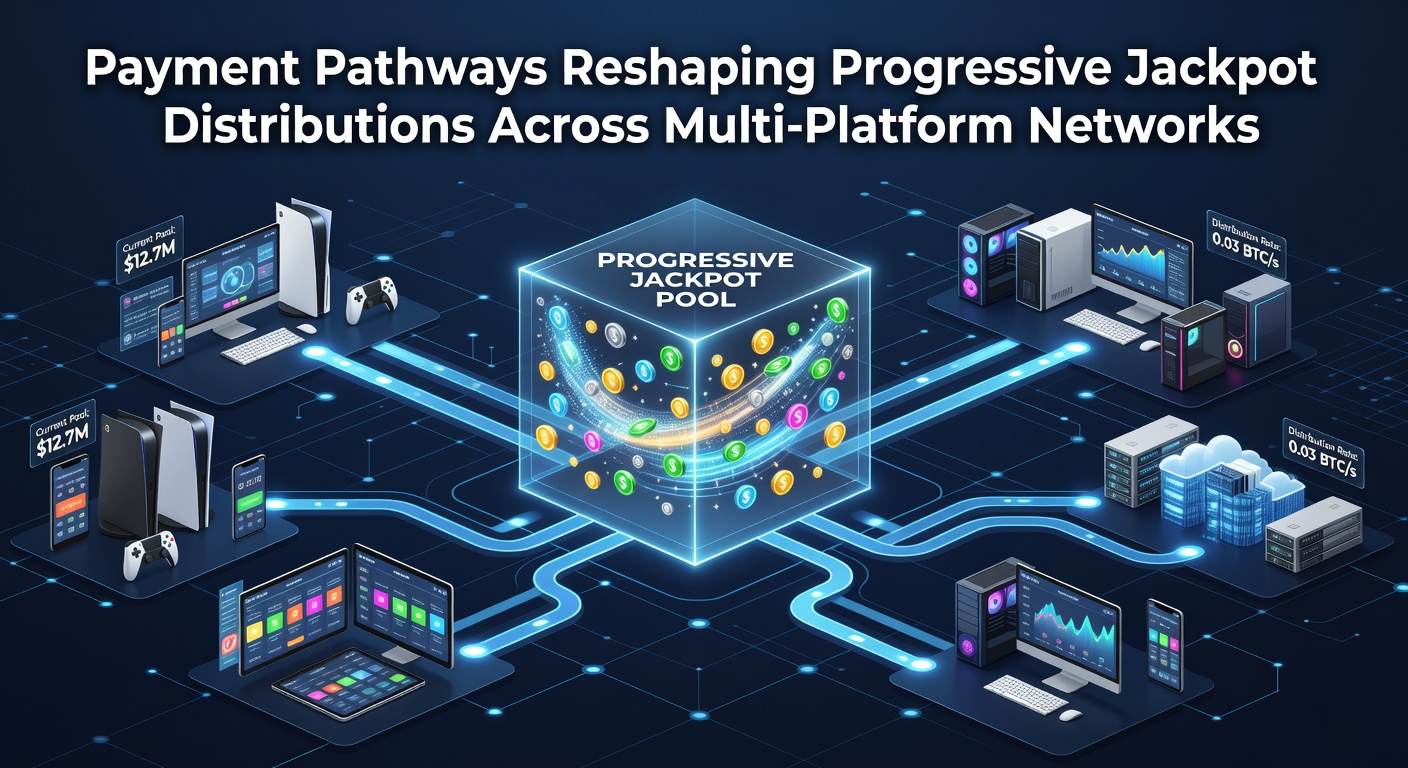
One study revealed that certain networks using permissioned blockchain rails achieved consistent daily pool increments even during low-volume periods because micro-transactions from multiple regions accumulate without batch processing waits. Experts have observed that these rails also simplify compliance reporting for regulators who require auditable trails of every contribution and payout, and jurisdictions such as those overseen by iGaming Ontario have published guidelines that accommodate such ledger systems.
Regulatory Oversight and Distribution Protocols
Regulatory bodies in different regions have updated rules to address how payment speed affects jackpot fairness, and the Nevada Gaming Control Board issued technical standards in late 2025 that require operators to demonstrate equal access to progressive meters regardless of funding method. Similar frameworks emerged from the Australian Communications and Media Authority, which examined whether instant pathways create advantages for certain player segments and concluded that transparent metering rules suffice when properly implemented. Those frameworks emphasize that distribution must occur according to predetermined random number generator triggers rather than payment velocity.
Operators have responded by redesigning contribution percentages so that every funding channel feeds teh same percentage into the progressive meter, and this standardization prevents any single payment pathway from disproportionately influencing prize growth. Figures from the European Gaming and Betting Association indicate that networks adopting uniform contribution rules saw fewer disputes over jackpot eligibility during the first half of 2026.
Player Experience Across Devices
Players encounter these changes most directly through unified account balances that display current jackpot values updated across all linked platforms, and seamless transfers between mobile slots and desktop table games now carry progressive contributions without manual intervention. Case examples include networks where a player funding via digital wallet on a tablet contributes to the same meter visible on a desktop session minutes later, and the shared ledger ensures the prize reflects every eligible wager. Observers note that such continuity has encouraged longer session times because participants see tangible growth from their activity regardless of device.
What's interesting is how loyalty systems now tie payment history to jackpot eligibility tiers, so frequent users of certain rails receive notifications when pools reach thresholds that trigger bonus rounds on secondary platforms. These integrations rely on the same real-time data streams that power the jackpot controllers themselves, creating a closed loop between funding, play, and prize distribution.
Conclusion
Payment pathways continue to redefine the mechanics of progressive jackpot distribution by enabling faster, more transparent contributions across multi-platform networks, and the resulting synchronization has expanded both pool sizes and geographic reach. Regulatory updates from multiple jurisdictions have kept pace with these technical shifts, establishing standards that maintain fairness while accommodating new rails. As networks refine their integration protocols, the core principle remains that every eligible wager, regardless of funding method, participates equally in the shared prize structure.