Payment Velocity Thresholds Driving Changes in Mobile Casino Reward Structures Across Regions
Rafael Günther · Jun 9, 2026
Payment Velocity Thresholds Driving Changes in Mobile Casino Reward Structures Across Regions
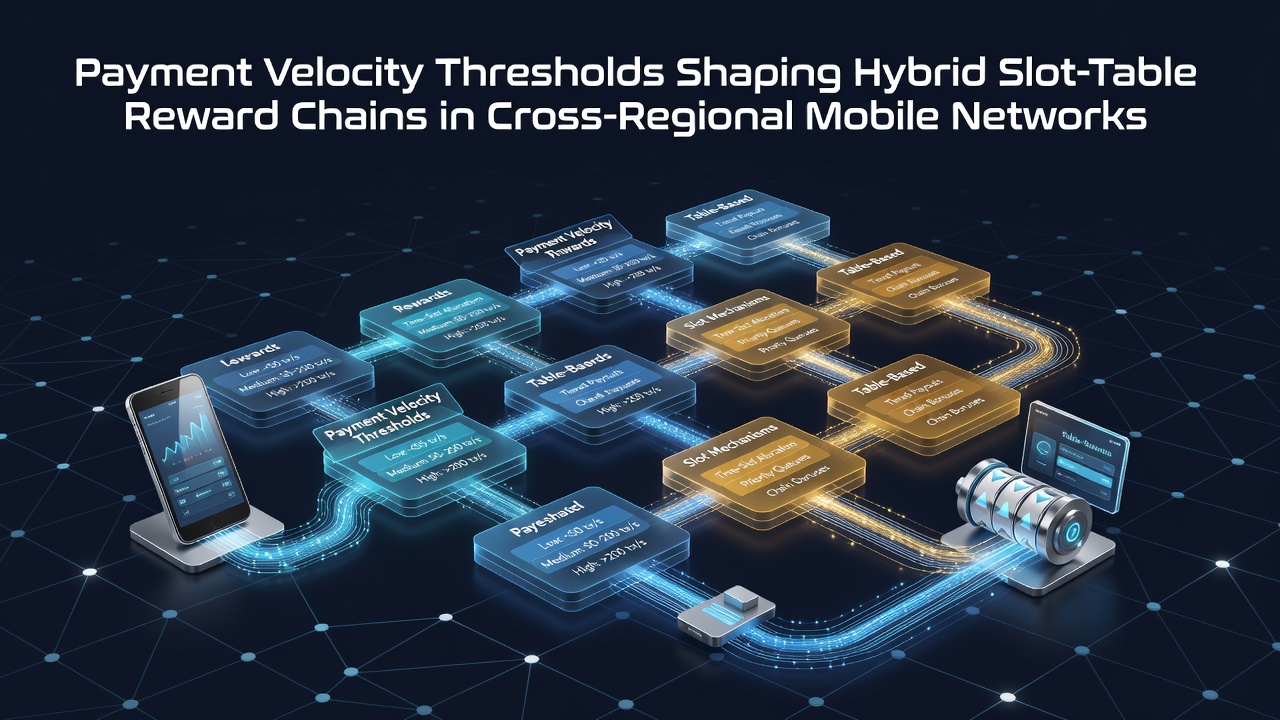
Payment velocity thresholds refer to the minimum speed and volume requirements for transactions that determine eligibility for combined rewards in slot and table game environments, and these thresholds continue to influence how operators structure incentives across mobile platforms in multiple jurisdictions. Data from industry reports shows that faster payment processing often unlocks chained bonuses where slot winnings feed directly into live table promotions, while slower velocities trigger separate reward tracks that limit cross-game progression.
Defining the Mechanics Behind Velocity Thresholds
Operators establish these thresholds based on transaction completion times measured in seconds or minutes, and networks apply them uniformly to hybrid reward chains that blend digital slot spins with real-time table game participation. Research from academic institutions indicates that when payments clear within set windows, users gain access to progressive multipliers that carry over from one game type to another, whereas delays beyond those windows reset the chain and isolate rewards to individual categories. Studies conducted by regional gaming associations reveal that cross-platform systems track velocity at both individual and aggregate levels, allowing operators to adjust thresholds dynamically according to regional regulations and network capacity.
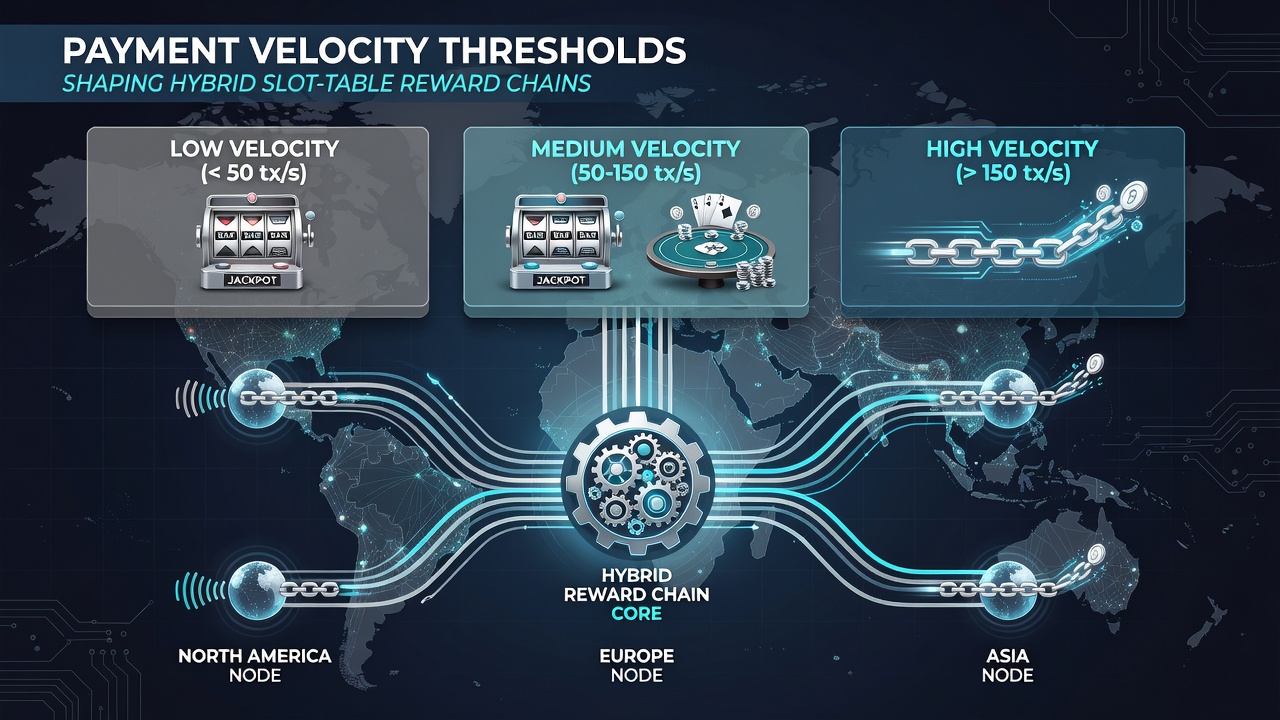
Those who analyze transaction logs observe that thresholds typically range from under ten seconds for premium reward access to several minutes for standard eligibility, and this range varies by jurisdiction because local banking integrations and regulatory oversight dictate acceptable processing speeds. In June 2026, several mobile networks updated their systems to incorporate real-time velocity scoring that accounts for both deposit and withdrawal flows, creating tighter integration between slot-table reward pathways.
How Thresholds Shape Hybrid Reward Chains
Hybrid chains function by linking slot outcomes to table game bonuses through shared reward ledgers, yet velocity thresholds act as gatekeepers that either permit or restrict the flow of value between these segments. Figures from platform analytics demonstrate that networks enforcing sub-fifteen-second thresholds see higher rates of chained activity where slot jackpots convert into table game credits, while higher thresholds correlate with segmented play patterns that keep rewards isolated. Observers note that operators fine-tune these parameters to balance player engagement with compliance requirements, since rapid payments often trigger additional verification steps in certain regions.
Examples from multi-device networks show that a user completing a slot session with payments clearing at high velocity can unlock table game entry bonuses that would otherwise remain unavailable, and this mechanic encourages continued play across game categories. Data indicates that such chaining increases overall session duration without altering base game mathematics, because the thresholds operate on transaction metadata rather than game outcomes themselves.
Regional Differences in Implementation
Cross-regional mobile networks must navigate varying regulatory frameworks that influence how velocity thresholds integrate with reward systems, and these differences create distinct operational environments for operators serving multiple markets. According to reports from the American Gaming Association, U.S. state-level rules often emphasize transaction security alongside speed, which leads networks to set moderate thresholds that accommodate both requirements. In contrast, frameworks overseen by the Australian Communications and Media Authority focus on consumer protection metrics that sometimes prioritize verification time over pure velocity, resulting in slightly elevated thresholds for chained rewards.
Canadian Gaming Association publications highlight that provincial standards encourage operators to publish threshold values openly, allowing users to understand how payment speed affects access to hybrid bonuses across slot and table environments. European research institutions have documented similar patterns where cross-border networks adjust thresholds to align with local payment infrastructure capabilities, and this adjustment prevents reward chain interruptions during regional handoffs. What's interesting is that these regional calibrations maintain consistent reward mechanics at the user level even as underlying thresholds shift.
Technical Integration Across Platforms
Mobile networks rely on API connections between payment processors and game servers to monitor velocity in real time, and these connections enable the seamless transfer of reward eligibility from slot sessions to table games. Platform documentation reveals that when velocity meets or exceeds the threshold, the system automatically propagates bonus credits through the hybrid chain without requiring additional user action. Yet networks must also account for latency introduced by device variations and network conditions, which means thresholds include buffer periods to prevent false negatives that would break reward continuity.
Case studies from operational networks show that updates implemented around June 2026 introduced machine learning models capable of predicting velocity based on historical patterns, allowing proactive adjustment of reward chain parameters before transactions complete. This predictive layer reduces instances where borderline payment speeds disrupt the flow between slot and table segments.
Conclusion
Payment velocity thresholds continue to serve as foundational controls within cross-regional mobile networks, directly influencing how hybrid slot-table reward chains operate and evolve. Evidence from regulatory bodies and industry analyses demonstrates that these thresholds adapt to regional requirements while preserving core mechanics that link game categories through transaction speed. As networks expand and integrate new payment methods, the role of velocity in shaping reward eligibility remains a measurable factor tracked through performance data across jurisdictions.