Regulatory Shifts Reshaping Reward Systems Across Multi-Platform Digital Casino Networks
Erik Jung · Jun 28, 2026

Regulatory Shifts Reshaping Reward Systems Across Multi-Platform Digital Casino Networks
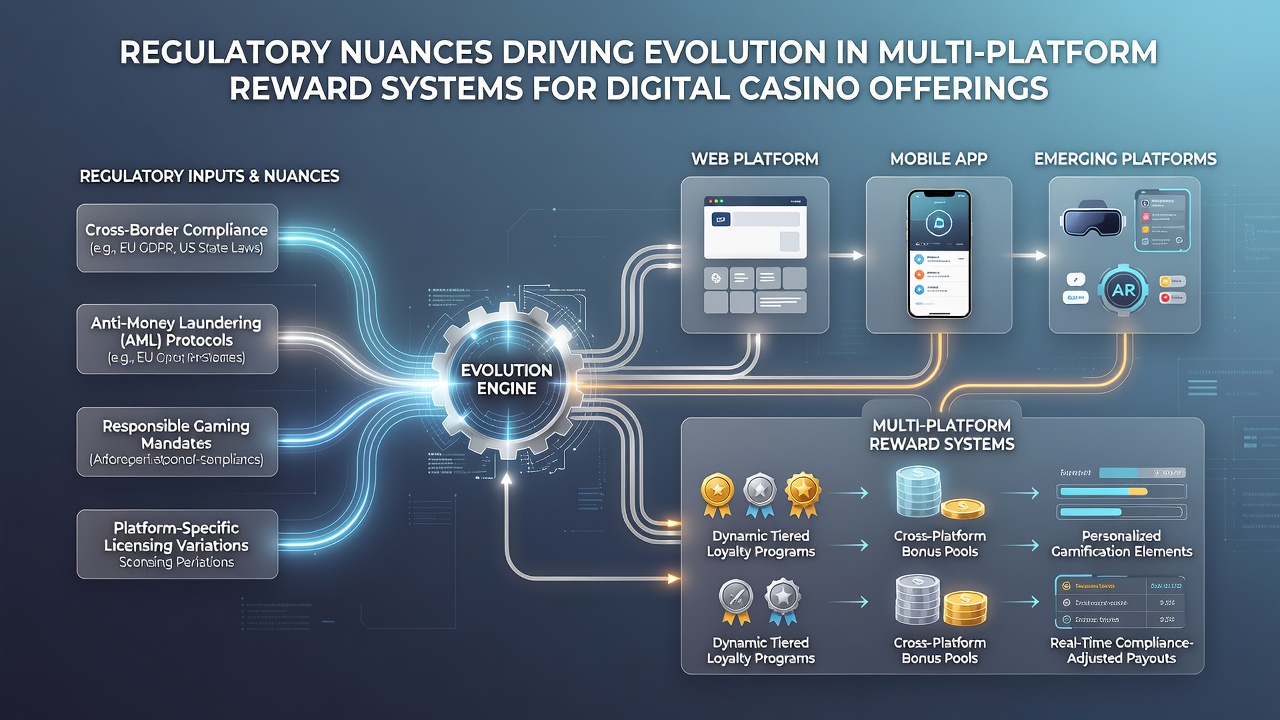
Regulatory frameworks in multiple jurisdictions continue to influence how digital casino operators design and manage reward systems that function seamlessly across desktop, mobile, and tablet interfaces. These rules address bonus structures, loyalty point accrual, and cross-platform redemption limits, forcing operators to adjust their technical architectures and compliance protocols while maintaining user engagement.
Jurisdictional Variations in Bonus and Loyalty Rules
Operators observe that different regions impose distinct requirements on promotional offers, and these differences drive the need for adaptable reward engines. In New Jersey, the Division of Gaming Enforcement mandates clear disclosure of wagering requirements for all bonuses, which has led developers to build real-time tracking modules that update across devices without lag. Data from state filings shows that such transparency rules increased compliance costs by 18 percent between 2023 and 2025, prompting platforms to consolidate their backend systems into unified databases.
Australian state regulators, including the Queensland Office of Liquor and Gaming Regulation, enforce caps on bonus values tied to player deposit history. This approach requires operators to synchronize player profiles across platforms so that loyalty tiers reflect consistent activity regardless of access method. Researchers at the Australian Gambling Research Centre documented a 22 percent rise in multi-device account linkages following these caps, as users sought to maximize rewards under the new limits.
Technical Adaptations for Cross-Platform Compliance
Multi-platform reward systems now incorporate geofencing and device-specific verification layers to satisfy location-based rules. When a player switches from a mobile app in one licensed state to a desktop browser in another, the system must recalculate available perks according to each jurisdiction's statutes. Industry reports indicate that companies investing in modular compliance software reduced update times by nearly half compared with legacy monolithic platforms.
Impact of Data Privacy and Anti-Money Laundering Directives
European Union directives on data protection intersect with gambling regulations, requiring operators to segregate reward data from marketing databases. This separation affects how loyalty points transfer between platforms, because consent mechanisms must remain synchronized. Observers note that firms adopting unified consent management tools experienced fewer audit findings during 2025 reviews.
Payment method restrictions further complicate reward distribution. Certain jurisdictions limit the use of digital wallets for bonus funding, which forces operators to tag transactions by origin and adjust point multipliers accordingly. One major network updated its reward engine in early 2026 to flag ineligible deposits automatically, preventing accidental violations during high-volume promotional periods.
Emerging Standards and June 2026 Developments
As of June 2026, several North American regulators began piloting standardized reporting formats for cross-platform loyalty activity. These pilots require operators to submit unified datasets that aggregate mobile and desktop transactions, allowing oversight bodies to verify adherence to responsible gaming caps. Early results from the Massachusetts Gaming Commission pilot show a 15 percent improvement in audit efficiency when data arrives in consistent formats.
Industry associations such as the European Gaming and Betting Association have published voluntary guidelines that encourage operators to maintain identical reward rules across all access points. Although not legally binding, these guidelines influence contract negotiations with software providers and reduce the risk of regulatory friction when new platforms launch.
Future Trajectories in Reward System Design
Analysts tracking regulatory filings expect continued emphasis on audit trails that span multiple devices. Operators respond by embedding immutable logging features into their loyalty engines, ensuring that every point award or redemption carries a verifiable history. This capability supports both compliance and player dispute resolution without requiring separate records for each platform.
Research published by university gaming studies programs highlights that jurisdictions introducing device-agnostic rules see faster adoption of cloud-based reward management solutions. Those solutions allow operators to push rule changes to all platforms simultaneously, minimizing the window during which inconsistent offers might appear.
Conclusion
Regulatory nuances across regions continue to shape the architecture of multi-platform reward systems in digital casino offerings. Operators adapt through modular software, unified databases, and proactive compliance measures that align with evolving statutes. As reporting standards mature and privacy rules tighten, reward engines will likely become even more integrated while remaining jurisdictionally aware.