Tournament Brackets Reshaping Promotional Stacking in Cross-Device Gambling Platforms
Rafael Günther · Aug 11, 2026

Tournament Brackets Reshaping Promotional Stacking in Cross-Device Gambling Platforms
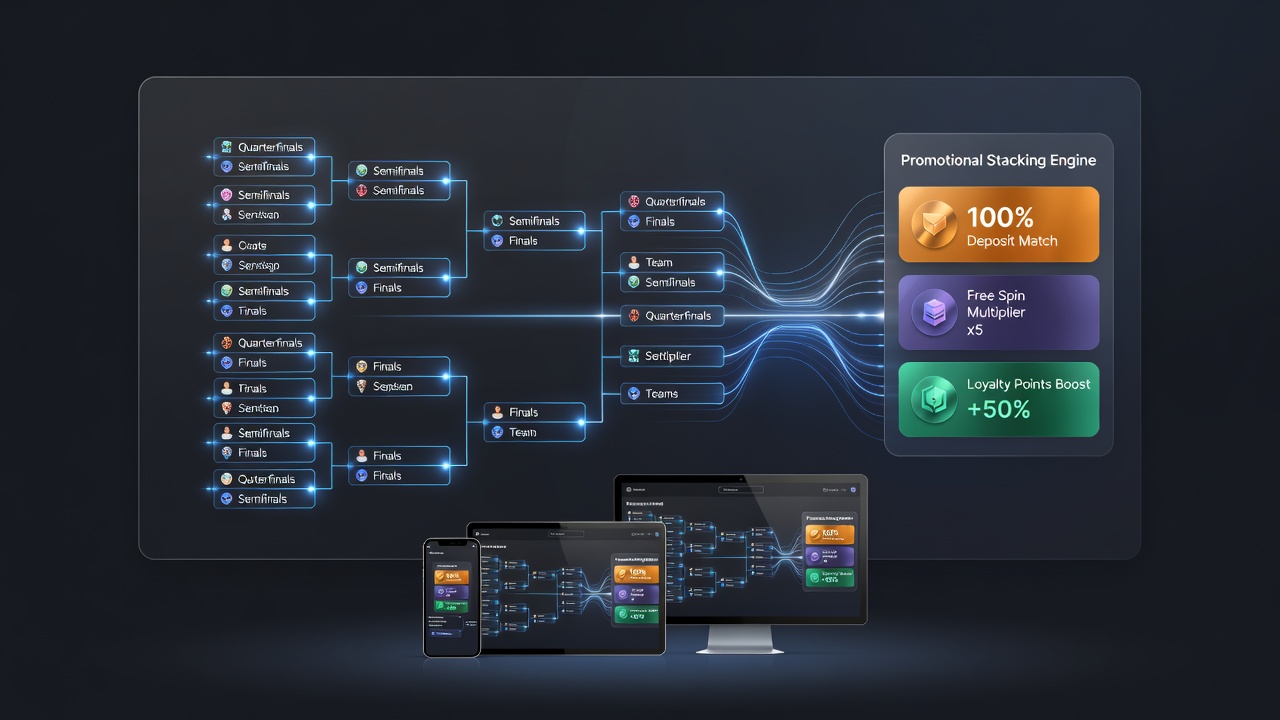
Tournament brackets organize competitive play across gambling applications by dividing participants into structured elimination rounds that often run simultaneously on smartphones, tablets, and desktop systems; operators integrate these brackets with promotional mechanics so that progression through matches unlocks stacked rewards such as deposit matches, free spins, and loyalty points that accumulate across devices without resetting when users switch platforms.
Bracket Mechanics and Cross-Device Synchronization
Bracket designs typically follow single-elimination or round-robin formats where each advancement triggers specific bonus multipliers, and data synchronization protocols ensure that a win recorded on a mobile app immediately updates the user's desktop dashboard so promotional stacking continues uninterrupted. Research indicates that synchronization occurs through centralized account ledgers managed by platform operators, allowing brackets to reference real-time performance metrics from multiple device types while preventing duplicate entries that could inflate reward layers.
Operators deploy API connections between bracket engines and bonus engines so that reaching quarterfinal status on one device activates a tiered deposit bonus visible on another device within seconds; this setup relies on secure token-based authentication that tracks user sessions across operating systems without requiring separate logins for each bracket stage.
Promotional Stacking Patterns Driven by Bracket Progression
Stacked promotions emerge when bracket milestones align with deposit cycles, meaning a player who advances past the group stage receives an automatic free spin bundle that combines with an existing reload bonus rather than replacing it. Figures from industry reports show that such alignments increase average session duration because users keep funds active across devices to chase the next bracket reward before the round closes.
Those who study bracket systems note that operators calibrate the timing of bonus releases to coincide with high-traffic periods, such as evening hours when users frequently move between work computers and personal phones, which creates opportunities for promotional layers to compound if the same bracket match triggers sequential rewards. Data from regulatory filings reveal that these patterns appear consistently in multi-state markets where licensing requires transparent tracking of how bracket results influence bonus eligibility.
Regional Regulatory Influences on Bracket-Based Rewards
Regulatory bodies monitor bracket-driven stacking to ensure compliance with fairness standards, and the Nevada Gaming Control Board publishes guidelines that require operators to document how cross-device bracket data feeds into promotional calculations. Nevada Gaming Control Board records demonstrate that approved systems must log every bracket advancement alongside corresponding bonus grants so auditors can verify that stacking does not exceed defined thresholds. Similar oversight exists in other jurisdictions, where authorities examine whether bracket progression rates correlate with changes in average wager sizes across device types.
Academic analyses from the Australian Gambling Research Centre examine how bracket structures affect reward distribution in digital networks, finding that longer bracket cycles tend to produce more layered promotions because users have extended windows to meet wagering requirements on multiple platforms. Australian Gambling Research Centre publications highlight that these extended cycles also reduce the frequency of bonus resets when device switches occur, supporting sustained engagement without violating responsible gambling parameters.
Device Transition Effects on Bonus Layering
Device transitions introduce variables because mobile interfaces often display bracket notifications through push alerts while desktop versions embed the same information inside account dashboards; when both alerts fire simultaneously after a match result, users can claim one reward on their phone and apply the second layer on their desktop before the bracket timer advances. Observers note that this dual-claim mechanism appears in applications released after mid-2025 updates, and August 2026 platform patches introduced additional safeguards that flag rapid device switches to prevent automated stacking scripts from exploiting the system.
Cross-device applications maintain separate session tokens yet share a unified bracket ledger, which means a player who completes a semifinal match on a tablet can immediately access the associated cashback layer on a desktop session that began hours earlier. This continuity stems from backend databases that timestamp every bracket event and link it to active promotional codes, allowing operators to verify that stacked rewards remain within regulatory caps even when usage spans multiple device categories.
Conclusion
Tournament brackets continue to shape promotional stacking by providing clear milestones that operators convert into layered rewards synchronized across devices, and regulatory documentation plus research findings confirm that these systems operate through shared ledgers and timed bonus releases. As platforms refine their synchronization methods, bracket progression remains the central mechanism determining how rewards accumulate without interruption when users change devices.