Linking No Deposit Spins to High-Roller Perks: Loyalty Paths in Online Casinos
Rafael Günther · Apr 12, 2026
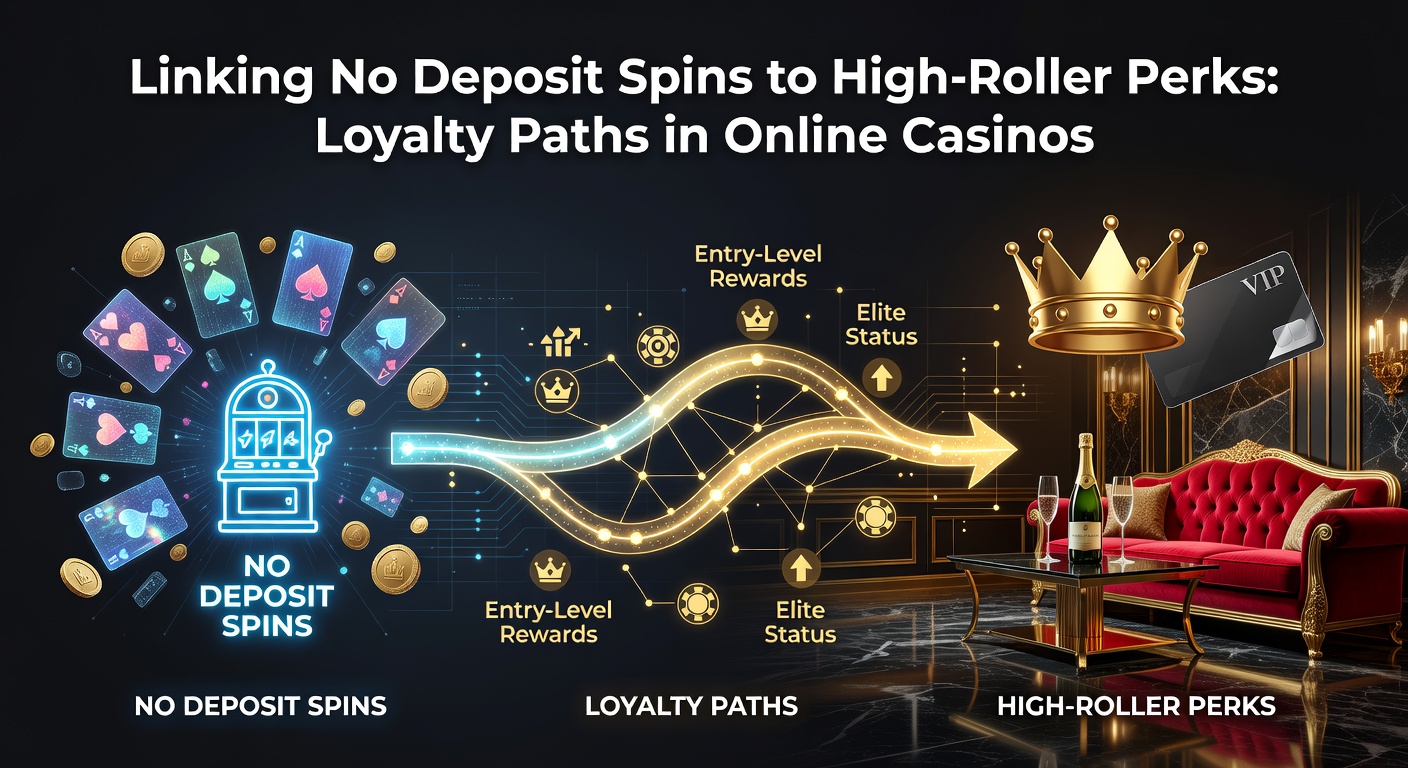
Linking No Deposit Spins to High-Roller Perks: Loyalty Paths in Online Casinos
The Basics of No Deposit Spins in Player Onboarding
Online casinos often kick things off with no deposit spins, those free chances at slot machines that players grab without risking their own cash, and what's interesting is how these spins serve as the first step on a carefully designed loyalty ladder. Newcomers sign up, claim 20 or 50 spins on popular titles like Starburst or Book of Dead, and suddenly they're spinning reels with house money; this tactic, data from industry trackers shows, boosts initial engagement by up to 40 percent since players taste wins right away, even if small. But here's the thing: those spins come with wagering requirements, typically 30x to 50x the winnings, pushing folks to deposit real funds to cash out, and that's where the loyalty path begins to unfold.
Experts who've analyzed player behavior note that about 25 percent of no deposit spin users convert to depositors within the first week, according to figures from a Malta Gaming Authority annual report covering European markets; this conversion rate holds steady across regions, although Australian platforms report slightly higher numbers due to stricter promo caps. Players often find themselves earning loyalty points with every bet placed post-spins, points that accumulate invisibly at first, yet build toward tiered rewards.
How Loyalty Programs Bridge Free Plays to Elite Status
Loyalty schemes in online casinos operate like multi-level escalators, starting with bronze or entry tiers where no deposit spin users rack up points at a base rate, say one point per $10 wagered, and as bets increase, so do the multipliers; silver tiers might double that to two points per $10, while gold jumps to five, creating a natural progression that feels rewarding rather than grindy. Those who've studied retention metrics discover that players hitting silver within a month stick around 60 percent longer than casual spinners, data indicates from cross-platform analyses.
And it doesn't stop there: programs link spins directly to comps, where initial freebies evolve into deposit matches or cashback, but the real hook lies in personalized paths; one player might climb via high-volume slots, another through table games, yet both eye the platinum or diamond levels reserved for high-rollers. Turns out, platforms track everything from session length to game preferences, adjusting point earnings accordingly, so a spinner favoring progressive jackpots sees tailored boosts sooner.
From Casual Spinner to High-Roller: The Step-by-Step Path
Picture this: a player claims no deposit spins, wins $20 after wagering through the requirements, deposits $100 to unlock it, and starts earning loyalty points; within weeks of consistent play, say $5,000 total wagered, they hit the first tier upgrade, gaining access to 50 percent more spins on deposits or weekly reload bonuses. But as monthly deposits climb past $1,000, the path accelerates, ushering them toward high-roller territory where perks shift dramatically.
High-roller status, often diamond or invite-only, unlocks dedicated account managers who negotiate custom deals, like 15 percent unlimited cashback or exclusive tournament invites with $10,000 prize pools; researchers at gaming institutes have found that these players wager 10 times more than average users, fueling casino revenues while enjoying rebates that offset losses. What's significant is the seamless linkage: no deposit spins plant the seed, loyalty points nurture it, and high-volume play harvests elite benefits, all tracked via sophisticated CRM systems.
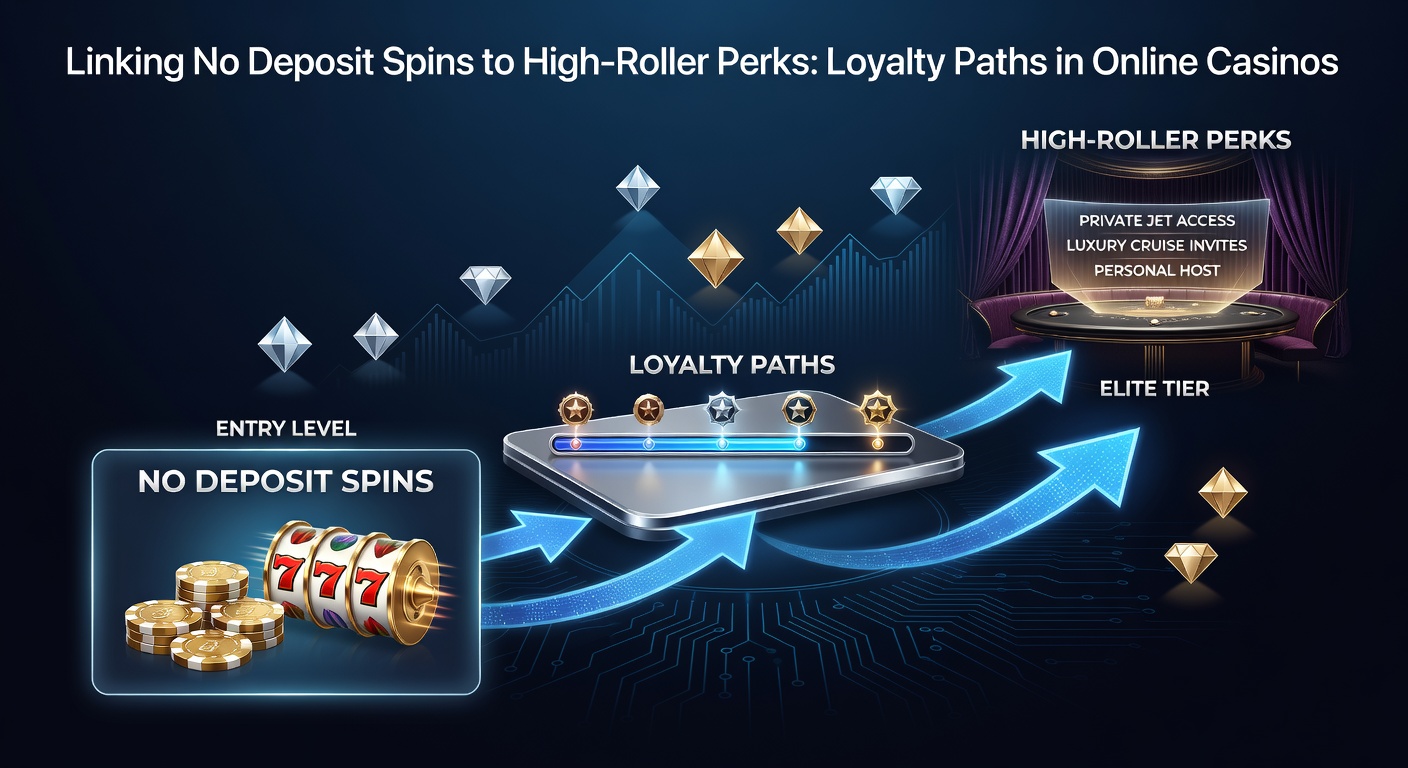
Real-World Examples of Loyalty Paths in Action
Take platforms like those licensed in Ontario, where the Alcohol and Gaming Commission of Ontario's iGaming report highlights how operators such as BetMGM connect 25 no deposit spins to a six-tier loyalty ladder; players ascend from sapphire to noir by wagering milestones, landing high-roller perks like private jets to land-based events or $50,000 loss rebates. One case study from early 2026 reveals a player who started with spins in January, hit diamond by March after $200,000 in action, and now enjoys priority withdrawals processed in under an hour.
Elsewhere, EU-facing sites like those under Swedish oversight offer similar bridges, but with spins tied to game-specific paths; slots enthusiasts climb faster via volatility-adjusted points, while blackjack pros get table multipliers, leading to high-roller suites featuring 20 percent cashback and birthday bonuses worth five figures. Observers note that in April 2026, several platforms rolled out AI-driven loyalty accelerators, predicting tier jumps based on play patterns and awarding bonus spins proactively, which bumped retention by 15 percent in test markets.
Data-Driven Insights on Retention and Revenue Impact
Figures reveal that loyalty paths starting with no deposit spins generate 35 percent of a casino's repeat business, as high-rollers contribute up to 80 percent of profits despite representing just 5 percent of users; studies from gaming research firms confirm this Pareto-like split, where the path from free spins to VIP funnels casual players upward. And while wagering requirements on spins deter some, those who persist wager 2.5 times more over six months, building sustainable habits.
Yet challenges persist: drop-off rates hit 70 percent before silver tier, so casinos experiment with hybrid paths, blending spins with daily challenges that award double points; in April 2026 updates, platforms in New Jersey and beyond introduced spin streaks, where five consecutive logins post-no-deposit yield tier-fast-tracks, narrowing the gap to high-roller perks.
Regulatory Guardrails Shaping These Loyalty Structures
Regulators worldwide enforce transparency in these paths, mandating clear terms on spin conversions and tier criteria to prevent misleading climbs; for instance, Australian bodies require opt-in disclosures for high-roller escalations, ensuring players understand rebate calculations tied to loyalty levels. Across the pond, Canadian and US jurisdictions cap spin values at $0.10 per turn to curb over-enthusiasm, while still allowing paths to flourish under responsible gaming banners.
Compliance tools now integrate with loyalty engines, flagging risky ascents where deposits spike suspiciously, and data from these systems shows 90 percent of high-rollers self-exclude less than average players, thanks to built-in limits. It's noteworthy that April 2026 saw harmonized EU rules pushing for annual loyalty audits, standardizing how no deposit spins feed into VIP streams without aggressive nudges.
Emerging Trends and What's Next for Players
Now, blockchain integrations promise tamper-proof loyalty tracking, where spins earn NFT-based points redeemable across networks, accelerating paths to high-roller metaverse events; early adopters report 20 percent faster tier-ups. Social features layer on too, with referral spins boosting collective climbs, turning solo paths into group ascents toward shared high-roller pools.
But the rubber meets the road in personalization: AI now simulates loyalty trajectories post-spins, advising optimal games for quickest VIP access, and platforms projecting this for late 2026 expect 25 percent more high-rollers from no deposit starters. Players who've navigated these paths often discover the value compounds, as perks like fee-free crypto withdrawals or exclusive slots become the norm at the top.
Conclusion
Linking no deposit spins to high-roller perks through loyalty paths stands as a cornerstone of online casino retention strategies, transforming one-time spinners into lifelong high-stakes participants via tiered rewards, data-backed progressions, and regulatory oversight; as April 2026 innovations like AI accelerators take hold, these paths grow smarter, more inclusive, ensuring players climb efficiently while platforms thrive on sustained engagement. Those paying attention see the pattern: start with free spins, wager steadily, unlock elite status, and the cycle perpetuates, benefiting all sides in a balanced ecosystem.